Blog

What happened to me?

As a follow up to my previous blog post about what happened to my website I wanted to write a bit about what has been happening to and with me. After a peak in creative activity in 2019 a few things happened which greatly affected my ability to be creative.

2019 was good!

If you have been following my work for a while, or if you’ve read any of my Year in Review blog posts you’ll have seen a steady increase in creative activity over the years. The peak of this was probably 2019. I felt very much at a high point in terms of creative activity and general enthusiasm for life. Highlights of this year include my solo exhibition at Czurles-Nelson Gallery in Buffalo, an Algorave performance at SXSW, the British Library and Corsica Studios, and being in conversation with the amazing Howie Lee at HKW in Berlin. 2020 also got off to a great start with badcirculation doing a performance at ICLC in Limerick and then I did a performance at Cafe Oto.
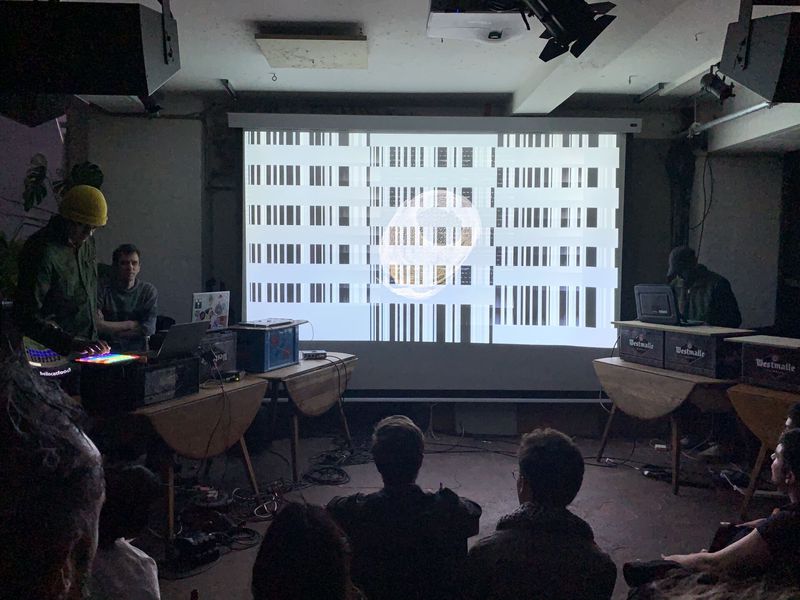
Algorave Cafe Oto. Photo by Seth De Silva

From there, though, everything got worse. On a global level of course lockdowns and the pandemic started. It should go without saying that this was a terrible time for so many people. On a personal and creative level things started to go downhill.

NFTs, bro

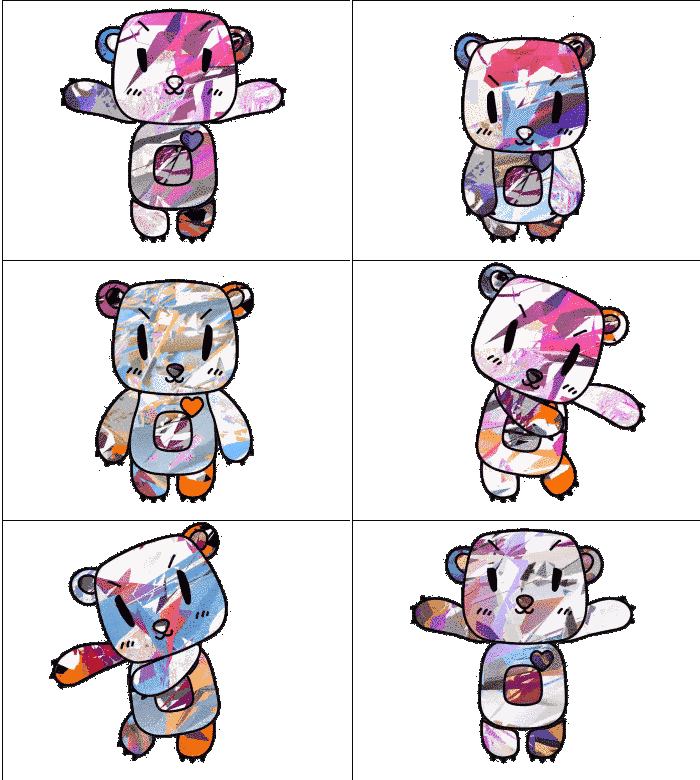
The first hit to my creativity was NFTs. In 2020 I witnessed a fracturing of the digital art community due to the sudden popularity of NFTs. I’m actually no stranger to blockchain and NFTs. I had contributed some art to the Plasma Bears NFT project in early 2019, and had toyed around with the idea of blockchains being useful for copyright around 2016: Digital images, which can be infinitely duplicated, cannot easily base their value on their scarcity. So, a unique “non-fungible token” representation can hold the financial value. Similar to how a signed copy of a print can have more value than an unsigned print.
What happened to me?

However, on an implementation level I felt and still feel that NFTs are just terrible! Beyond a few more community-focused initiatives e.g. hic et nunc all I could see in the NFT space in the early 2020s mirrored bitcoin, blockchain, and the NFT space more broadly: exploitation, opportunism, theft, and hoarding of resources.

Seeing artists you know and respect go all in on blockchains and NFTs was tough to see. Perhaps naively I thought that because we shared common interests around open source software, creative coding, and glitch art, we would also be wary of NFTs and tech bros.

With that said I was somewhat envious of the enthusiasm and energy that formed around the more community-focused NFT spaces. People posting “gm” and “wagmi” was a bit cringe, but artists were also excited by digital art again. People liked sharing and collecting NFTs from their peers. Sure, the amounts they were being sold for were in the $10s - $100s range, but people were happy. There was a sort of mutual support.

There were even some artists who were making significant amounts of money. A well-known artist (who I won’t name) who has been practising since the 90s chimed in to say that, because of NFTs, for the first time in their career they were finally earning a living. Who was I to challenge this, especially when the alternative was to continue struggling, and especially at a time when so many people were losing their jobs.

The debates carried on and I overall I felt demoralised and demotivated. So, I took a step back and for the most part I stopped making digital art. I wanted to do a monthly set of gif packs but, alongside my own poor planning skills, I just didn’t want my work to be associated with what I saw as a very toxic and volatile environment.
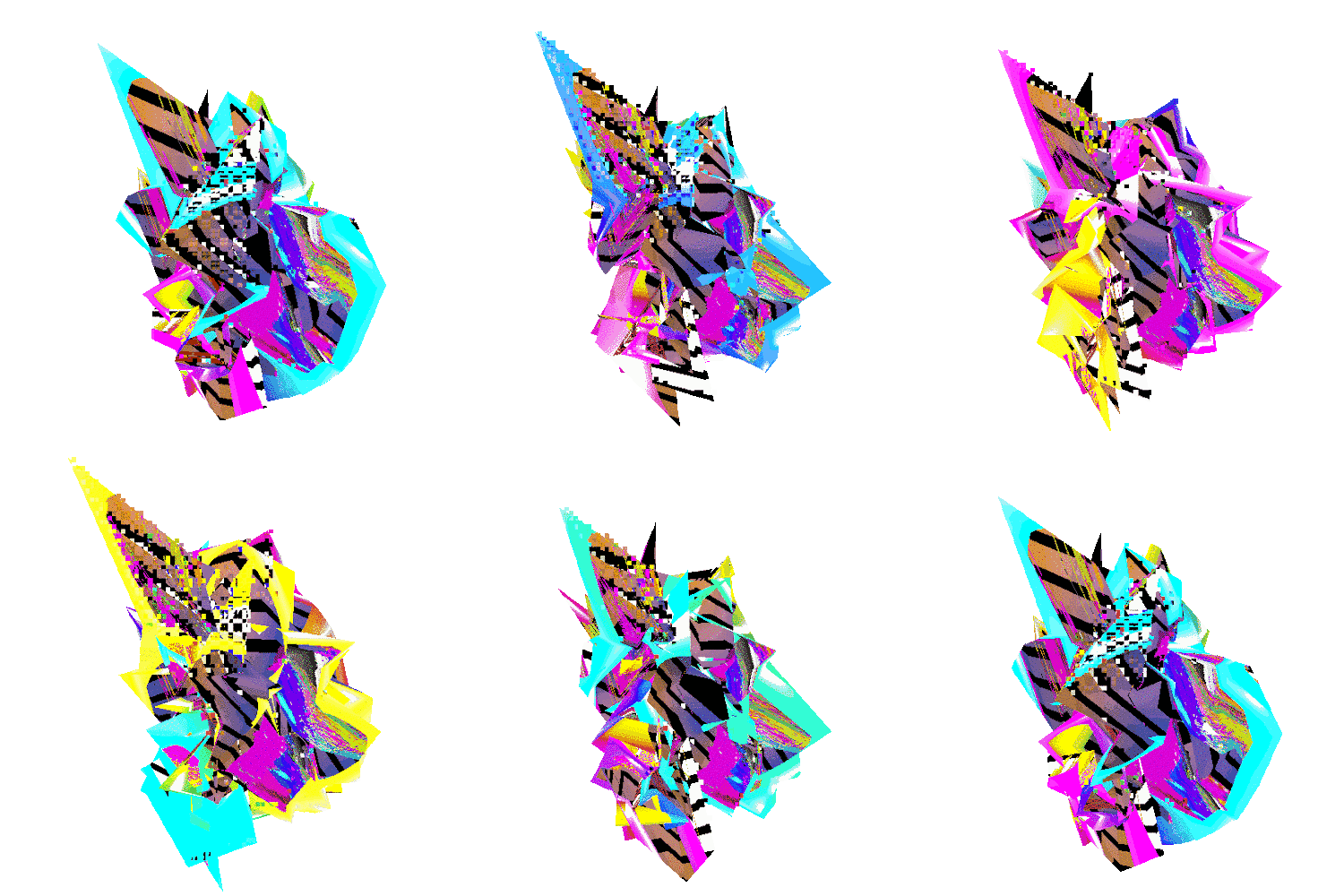
A GIF from September 2021's GIF Pack
A GIF from September 2021’s GIF Pack

Down with the sickness

As the world slowly started to open up in mid-to-late 2021 and the NFT hype died down I started to get back into making art again. Then, in May 2022 I got quite ill. I lost a lot of weight and was admitted to hospital for a few days. I’ve been open about this with friends but I don’t really want to go into all of the details on my website and have a permanent public record of it.

The next two-to-three years of recovery were some of the toughest years. A lot of hospital/GP visits, medications and rest. I’m very thankful to all those family and friends close to me for taking care of me during this time.
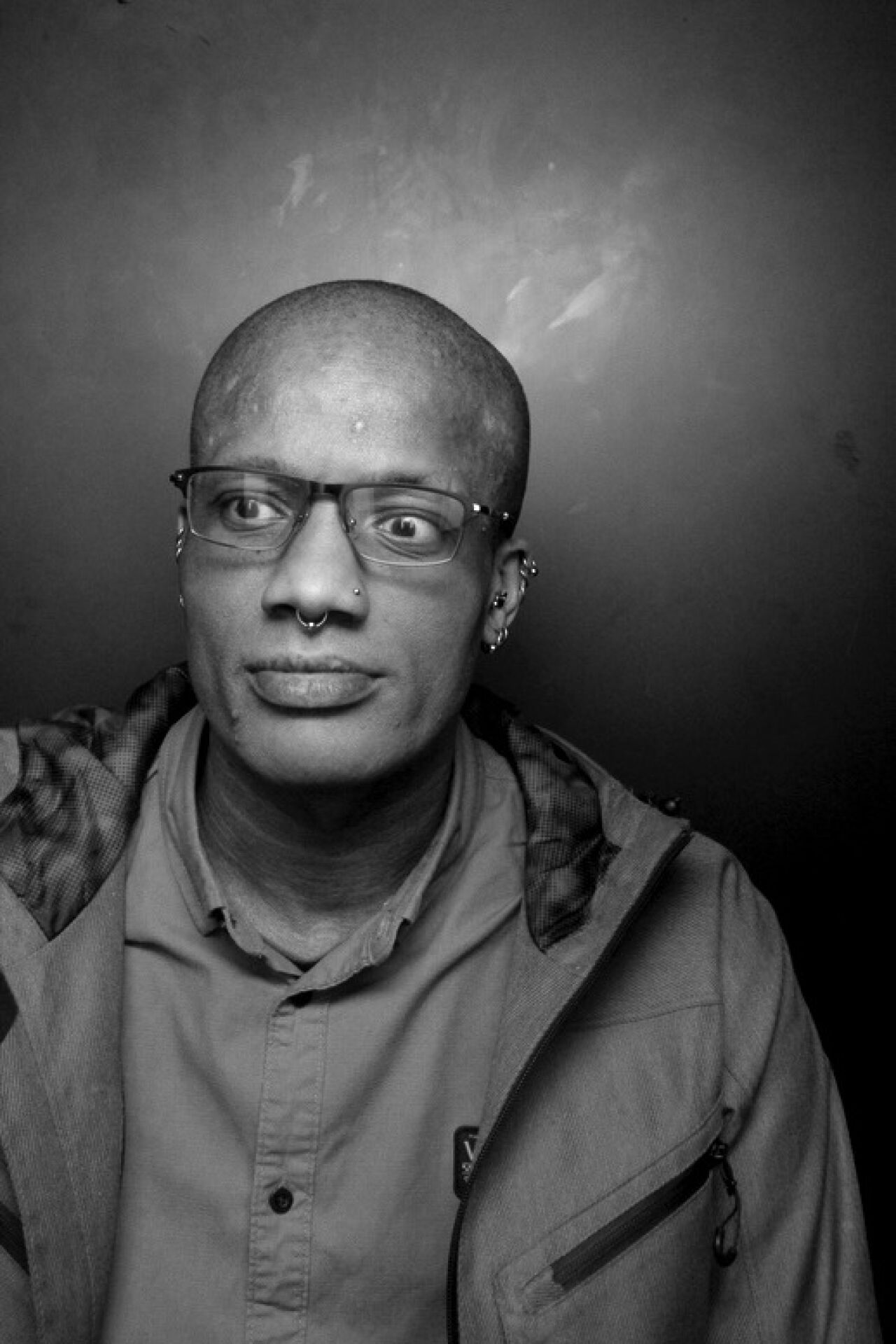
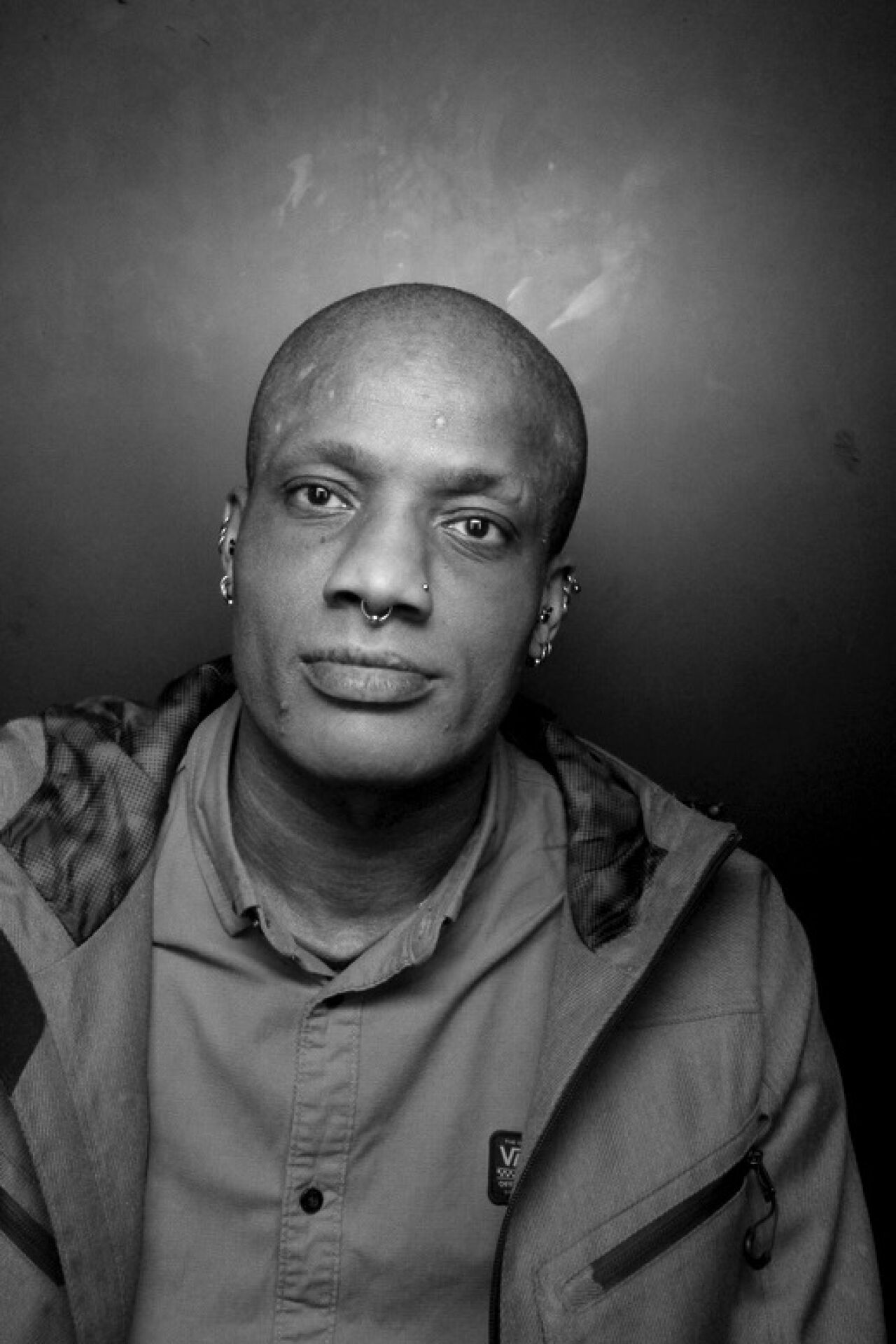
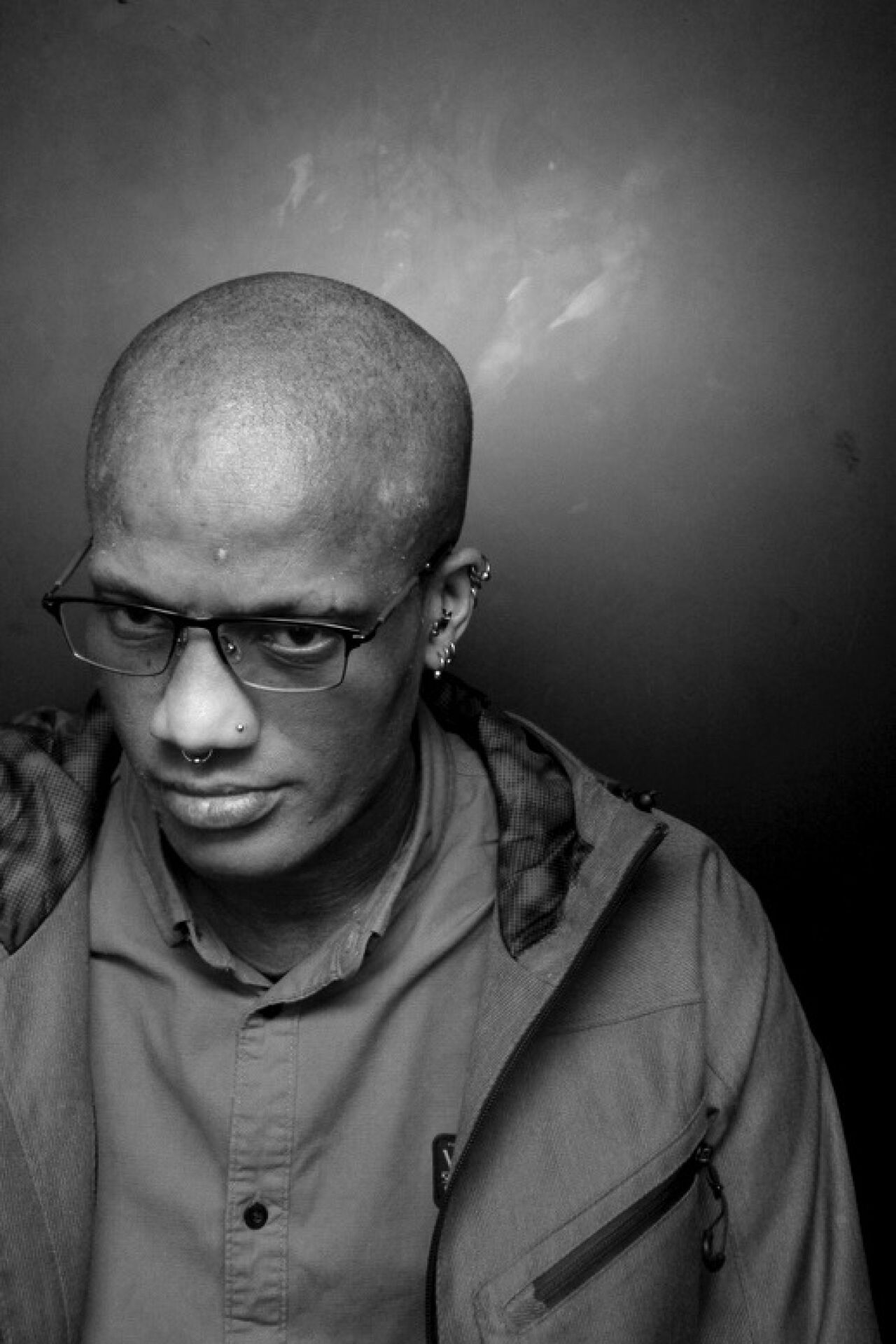
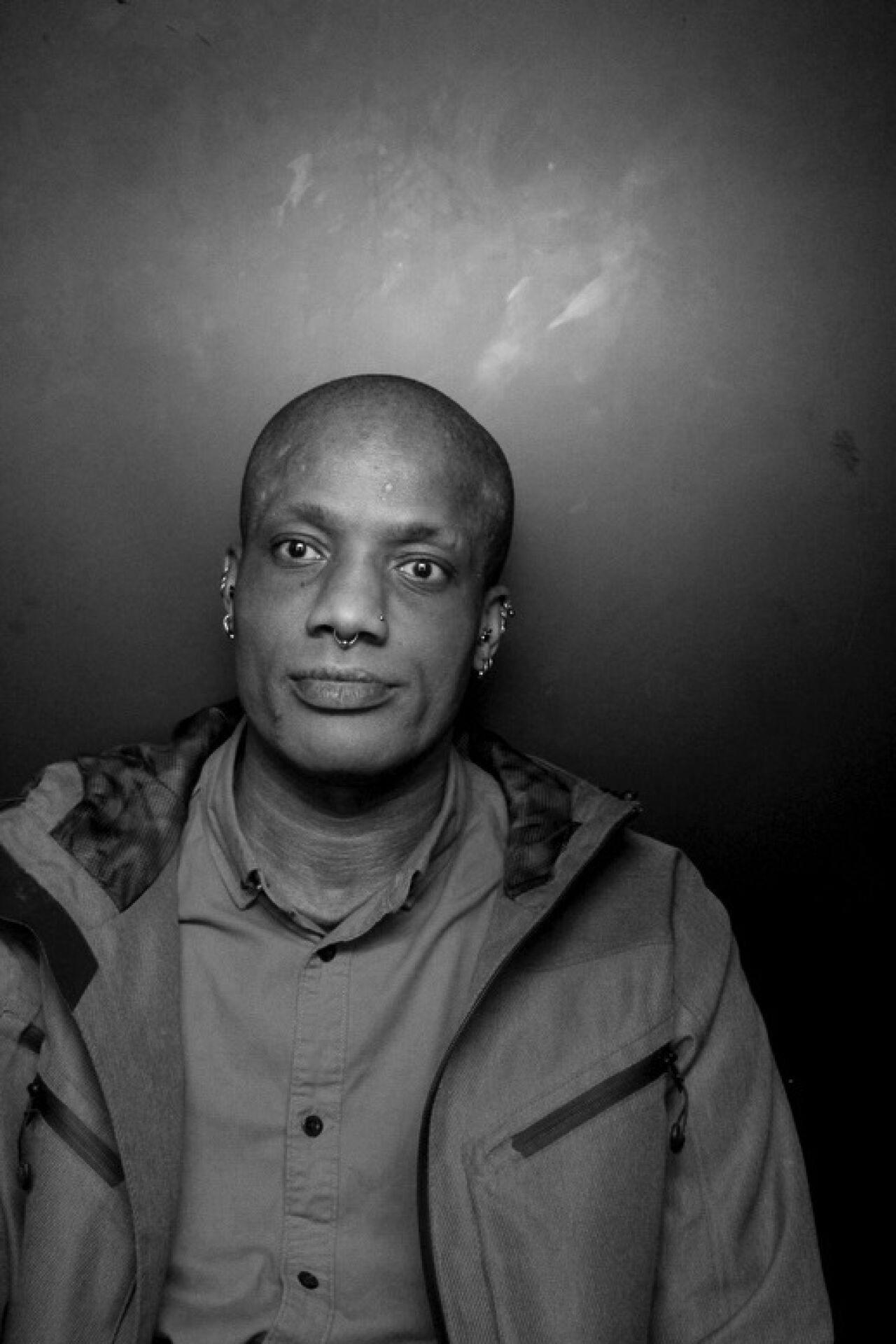
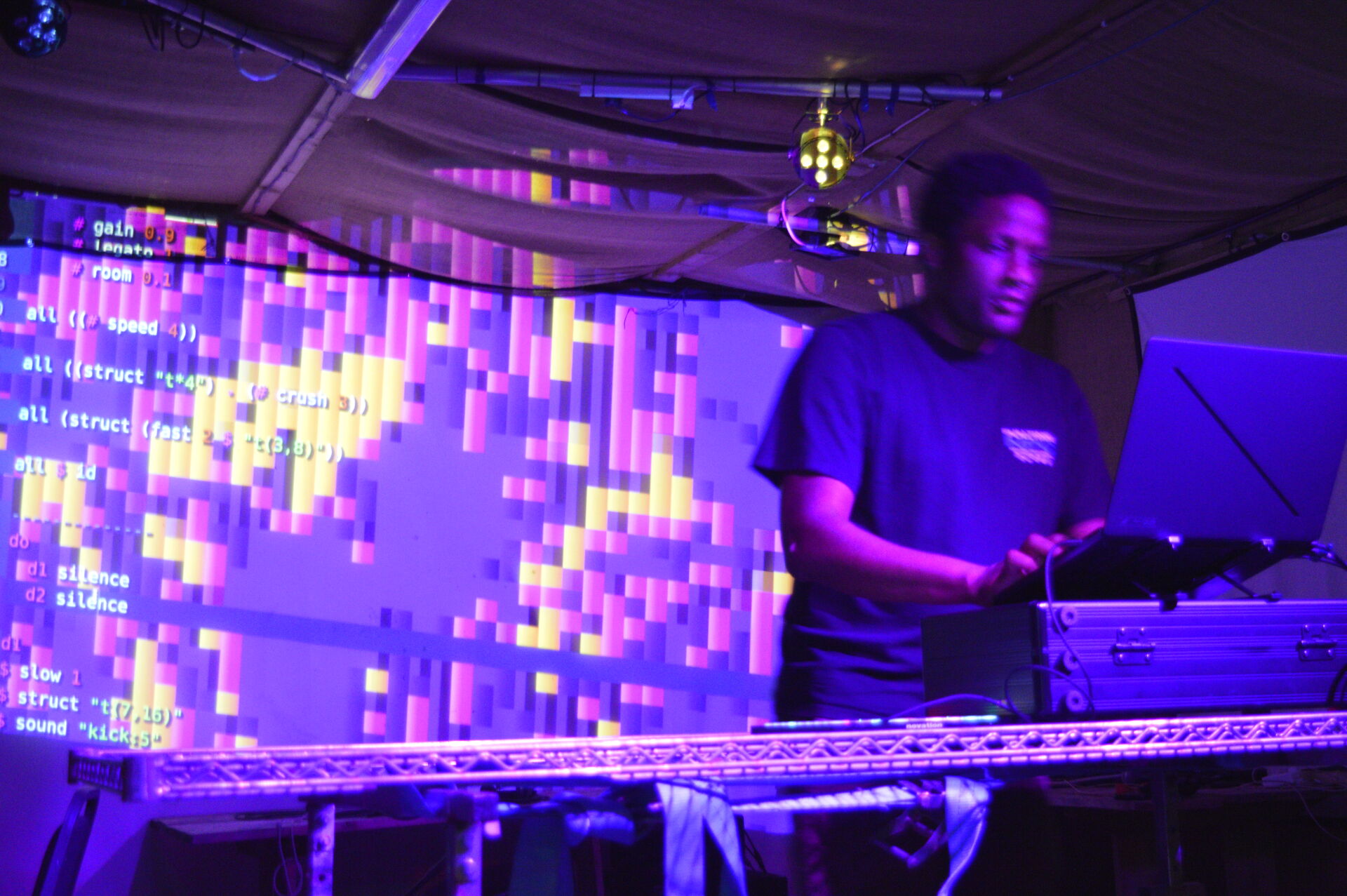
These photos were taken just after performing at the Control Shift Algorave in 2023. You might think everything looks normal here but I personally think I look, well, kinda frail.

In a way I’m lucky that the majority of my work can be done from home. In the few hours that I was awake each day I could find the energy to make an animation or set something to render and then go back to sleep. Projects like Hyper Object, my Mondo Radio show, the Disruptive Frequencies artwork, and being a judge on the Small File Photo Festival were all projects done in the spaces in between feeling ill.

In June 2022 I should have been at AMRO with Maria/badcirculation but illness kept me at home. Thanks to Flok I was still able to perform from my bed in the UK with Maria on stage at the festival in Linz. Looking back I find it kinda funny that after the performance ended I literally just rolled over and went back to sleep!

badcirculation performance at AMRO 2022. Note that I’m absent

Otherwise most of my activities from 2022 - 2025 were performances and workshops. These were relatively short activities that required me to do something intense for a day or two and then I could spend a few days recovering.

I was still able to complete some visual arts projects, but this was at a much slower rate and output than in previous years. For example, the A Boy is a Gun exhibition should have taken place in 2023 but Vivid Projects were understanding of my situation and so let me postpone it to 2024.
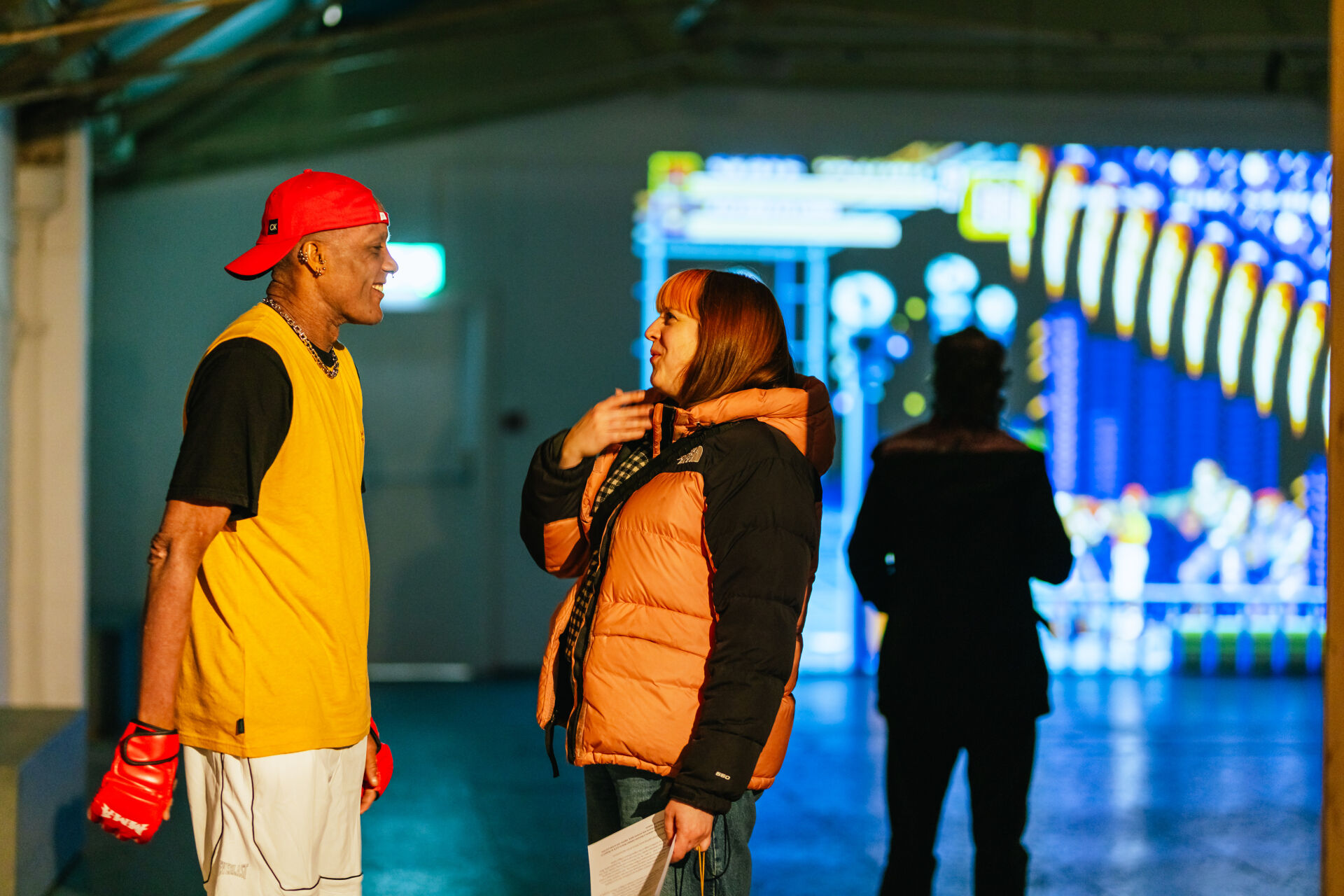
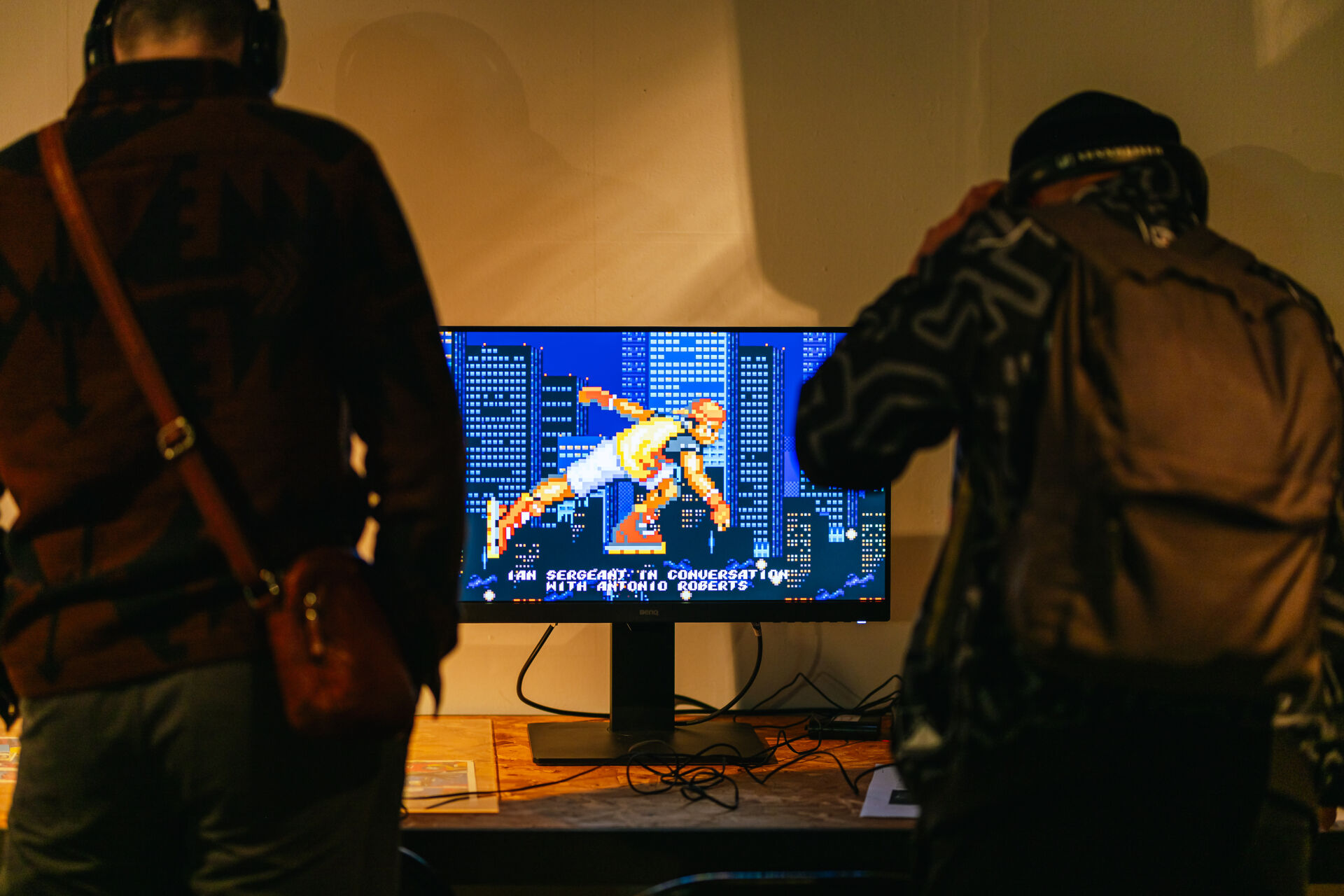
(Algo|Afro) Futures continued during this time, albeit with a break in 2024. I am fortunate to have had assistance from additional mentors Alex McLean, Gary Stewart, and Tyger Blue during this time.

Also in 2024 I did a series of workshops with Site Gallery’s Society of Explorers which culminated in the Cyber Cafe exhibition.
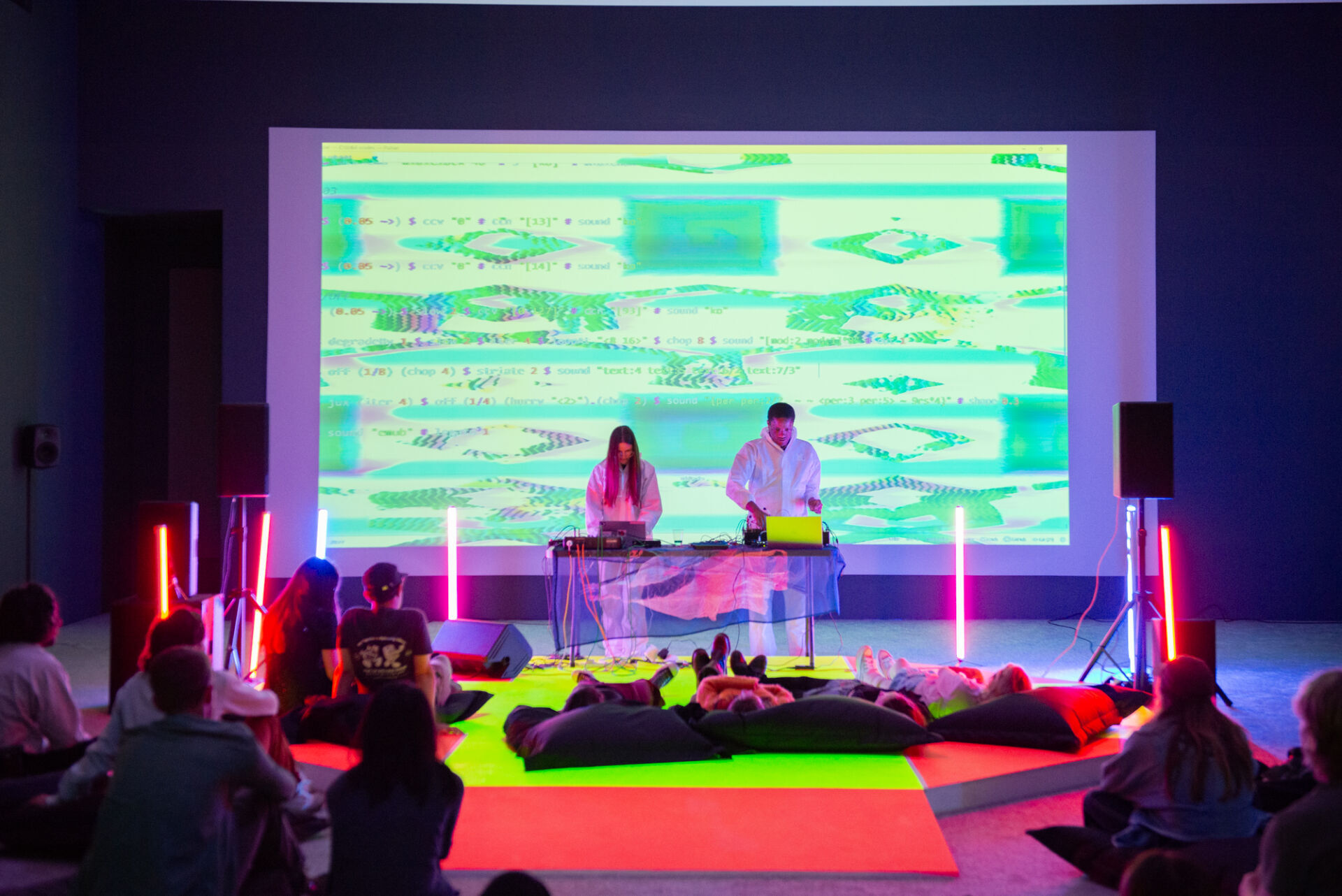
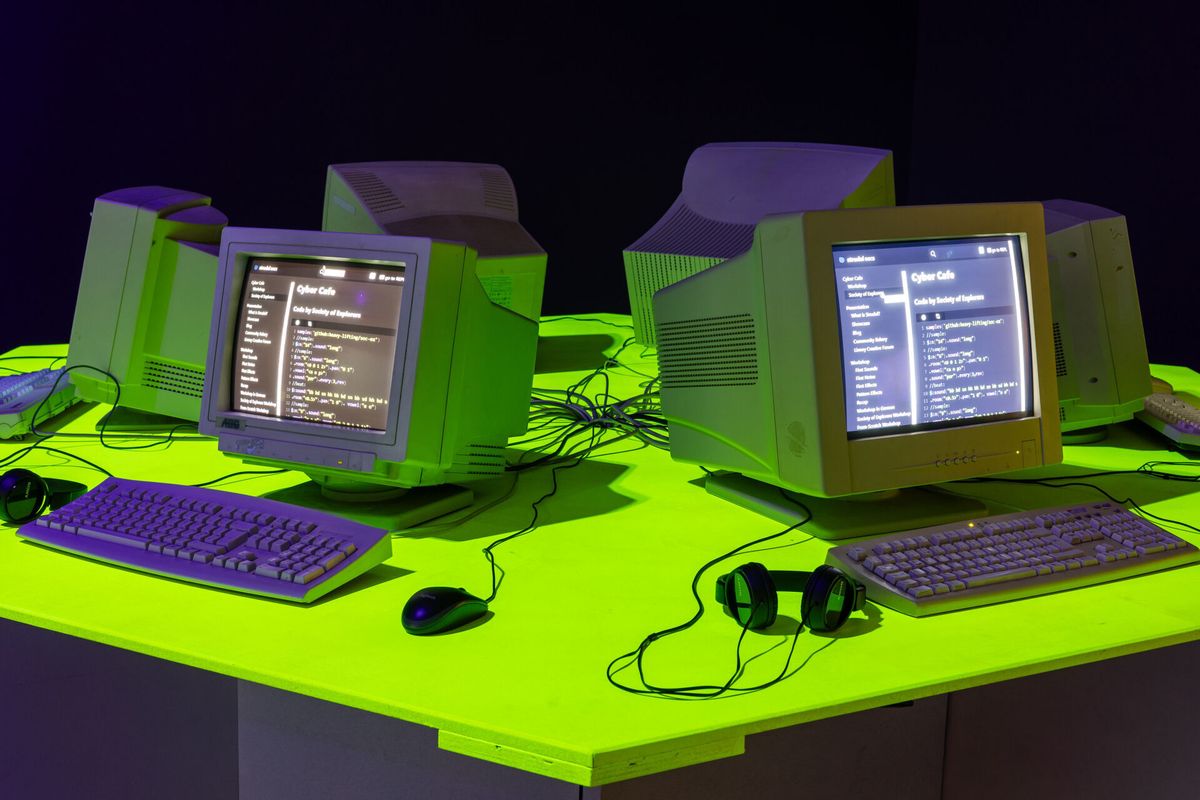
In general, though, I just didn’t have the energy to put into lots of small projects, applying to open calls, or writing project proposals. I relied heavily on people reaching out to me with proposals. There were a few invitations which would have been amazing but I outright declined because I couldn’t find the head space to do it. If you’re reading this from one of those projects I turned down get back in touch!

There were otherwise definitely times that I pushed myself too hard and I suffered as a result. For example I enjoyed performing at DA Z in Zurich in October 2022 with my Algorave friends, and then going to Piksel In Bergen to teach Hydra, but a week away living out of a backpack across two countries took a toll on my health, especially so soon after falling ill.

Similarly, going to Adela festival in 2023 to do a badcirculation performance should have been a chance to celebrate and bring the energy that I couldn’t at AMRO. Instead I spent every moment outside of performing in the hotel bed. The hosts were very caring and understanding about this <3.

I also feel a sense of regret about the activities I did take part in where I wasn’t able to be at my best. For example, I had big aspirations for my Pattern Club residency but illness struck again. Sure, I was ill so can’t be too hard on myself but I wish I could do it all over again.

I probably should have done less and focused on recovering but I also needed to attempt to maintain my practice and, y’know, earn a living!

My health slowly improved and by Summer 2025 I was finally approaching something resembling normal. I wrapped up (Algo|Afro) Futures, spent two weeks in June teaching at NØ SCHOOL NEVERS and then in October I spent two weeks in Argentina for Festival Tormenta and Algoraving with GEIKHA, irisS, munshkr, and more.
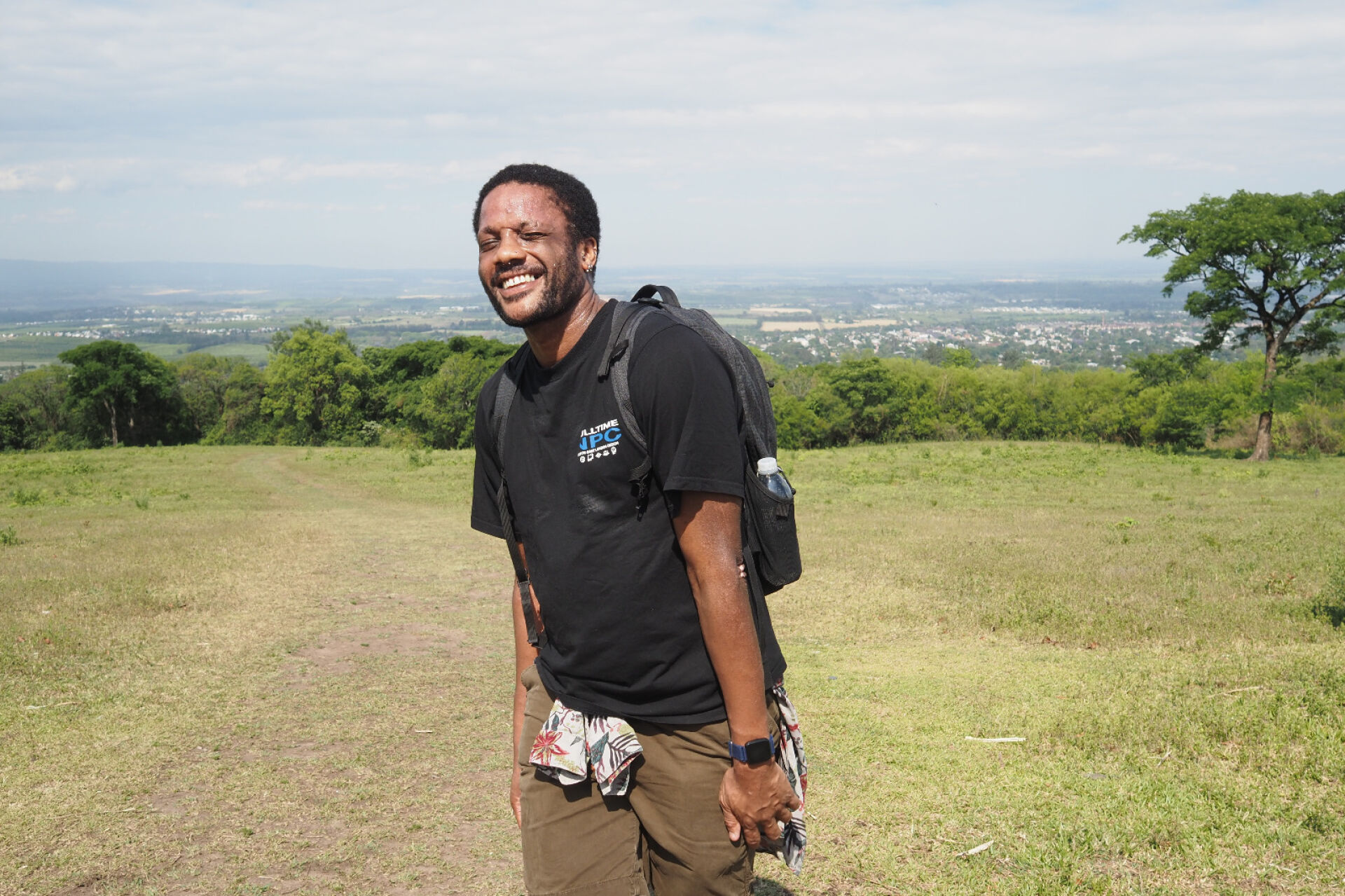
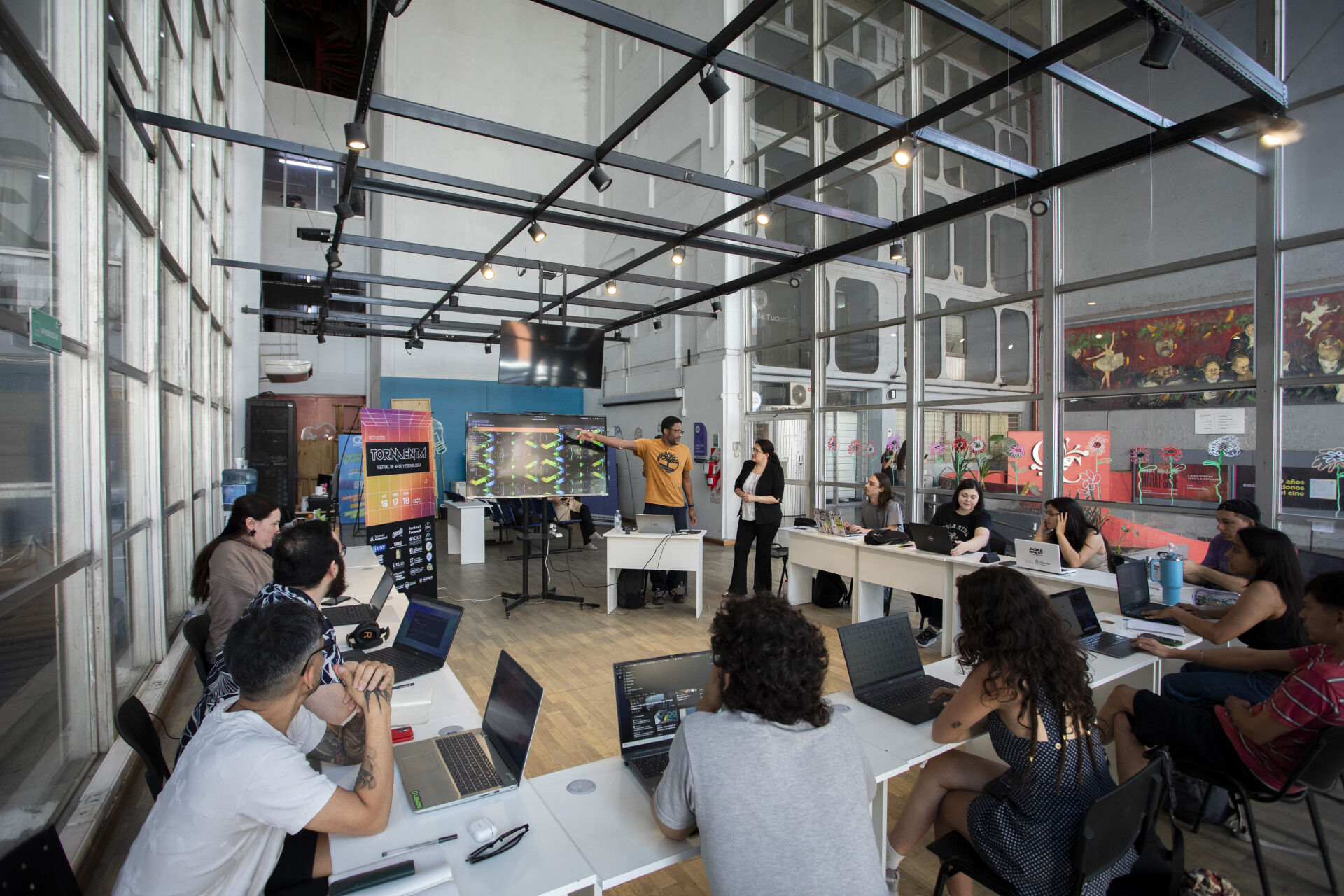
These were amazing opportunities to meet old friends and make new ones, and to travel the world, but also it was really amazing to not have my health get in the way. After 3.5 years I could just be normal.

Move fast

As 2025 drew to a close I began to make plans for how I could spend 2026 fully getting back into my practice. This process involved a lot of reflection and considering my place in today’s art world. I’ve had a professional art career dating back to at least 2008 (as evidenced by my projects and events listings) and a lot has changed in that time.

Digital art is definitely more widespread than in the early 2000s and there’s better provision for it in education, contemporary galleries, and in more traditional galleries and museums. This wasn’t the case when I first started my practice, where sometimes even trying to exhibit a video felt like an uphill struggle! I’m glad to see this has changed and that there’s a lot of energy and excitement around digital art.

On the downside things move so much faster on the internet now. The internet of the 2010s was a lot slower, and you could have faith that if you invested days or weeks writing a blog post, creating an artwork, or creating a video it would be seen by your peers. The best example of this was my Databending in Audacity tutorial, which was the output of months of research and testing. It went on to have a lifespan of many years and introduced me to the global glitch art community.

Now, though, the lifespan of things posted on the internet can be measured in minutes. Algorithmic feeds encourage the constant publishing of “content”, with no guarantees that it’ll be seen by anyone. And it’s subsequently pushed so far down feeds that who knows if it’ll ever be seen again. It’s completely unrealistic to expect anyone to publish engaging work daily or weekly and doing so would just lead to burnout. It all just feels like a game where the rules aren’t clear and are changing every minute. I really don’t have the time or energy for that but it feels like the only way to be an artist today.

To add to this I am now seen as a mid-career artist. I think there is an assumption that artists/musicians who have had decades-long careers now have enough financial and institutional support and are somewhat stable or settled. Right now for me the opposite feels true. So many opportunities for funding and exhibiting prioritise early-career artists, without clearly defining what early-career is or why the opportunity excludes those not fitting that definition. This isn’t to say that early-career or young artists shouldn’t receive more support. In fact, I have been part of and delivered programmes and workshops specifically for these groups. The question I have is what support is there for those starting or restarting their career at a mid/later stage in their lives. After some time away from fully investing in my visual art/exhibiting career I feel like I am starting again and finding that support is limited.

So many applications!

So, with that assessment of the current situation I got planning and got active! I applied to quite a few large and small open calls. Many were rejected and a few were successful. It was tiring to invest so much creative energy and time only to be rejected but it was also a useful exercise to get back into writing applications and thinking about how I describe my practice and ideas.

I also took stock of what I have already achieved and what artworks, processes, and projects I can revisit or extend. A trap I have fallen into in the past is thinking that I need to have completely new ideas for each project. It took me a while to realise that it’s sometimes absolutely fine to iterate on existing ideas or even just exhibit completed works again. With this in mind I spent a lot of late 2025 and early 2026 cleaning up scripts, polishing processes, and revisiting projects. I posted occasional clips of experiments on Instagram and Mastodon in a very noncommittal way. It was encouraging to see how they were received and it gave me ideas for what I wanted to focus on going forward. Here’s a few of the things that I think I’m going to work on in the future:

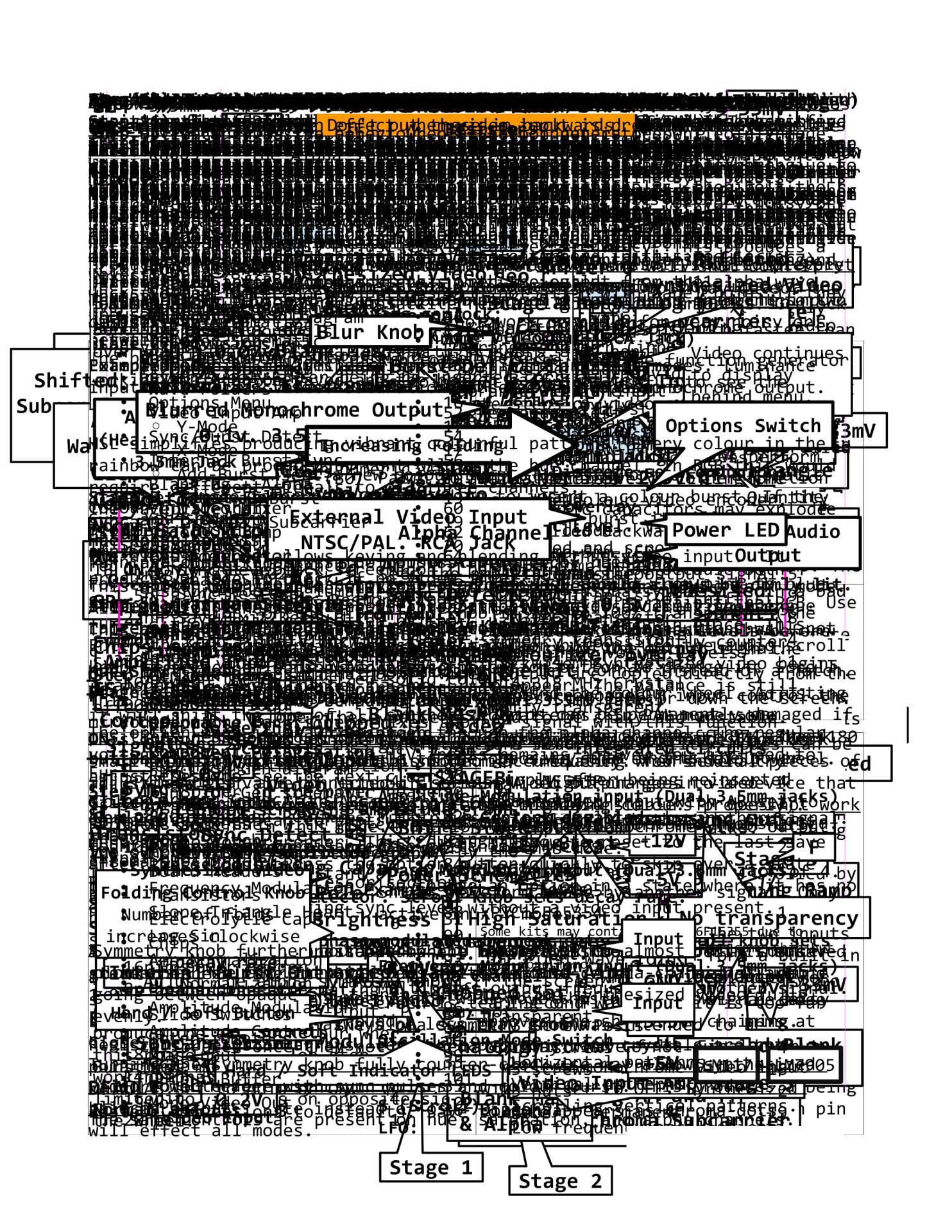
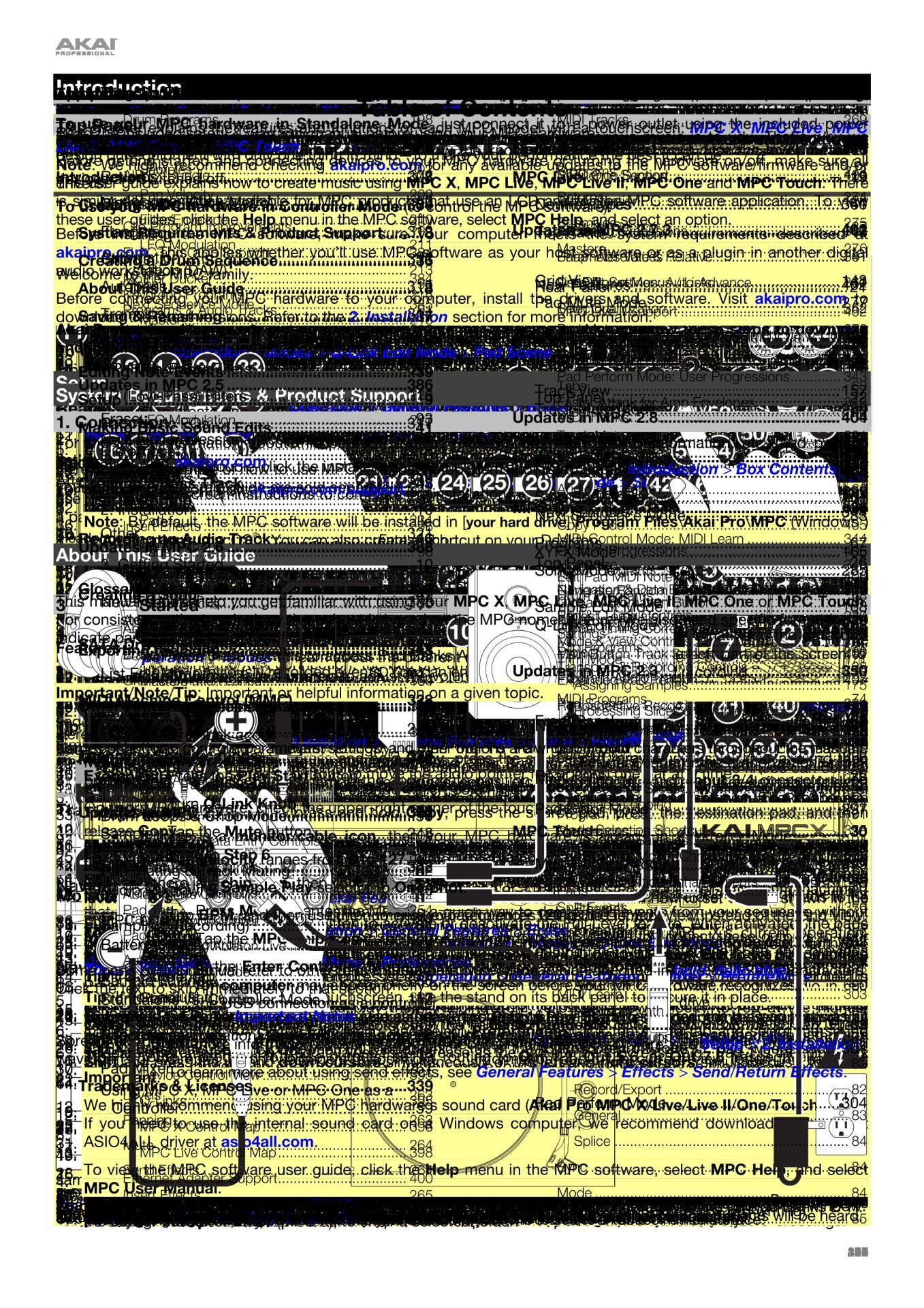
PDF “glitching”

One of the first experiments I shared was my “pdf glitches” in December 2025. It’s technically not a glitch as there are no errors occurring, but the way that I have used the software to create these pdfs definitely counts as misuse. The result is these very dense and chaotic-looking documents.
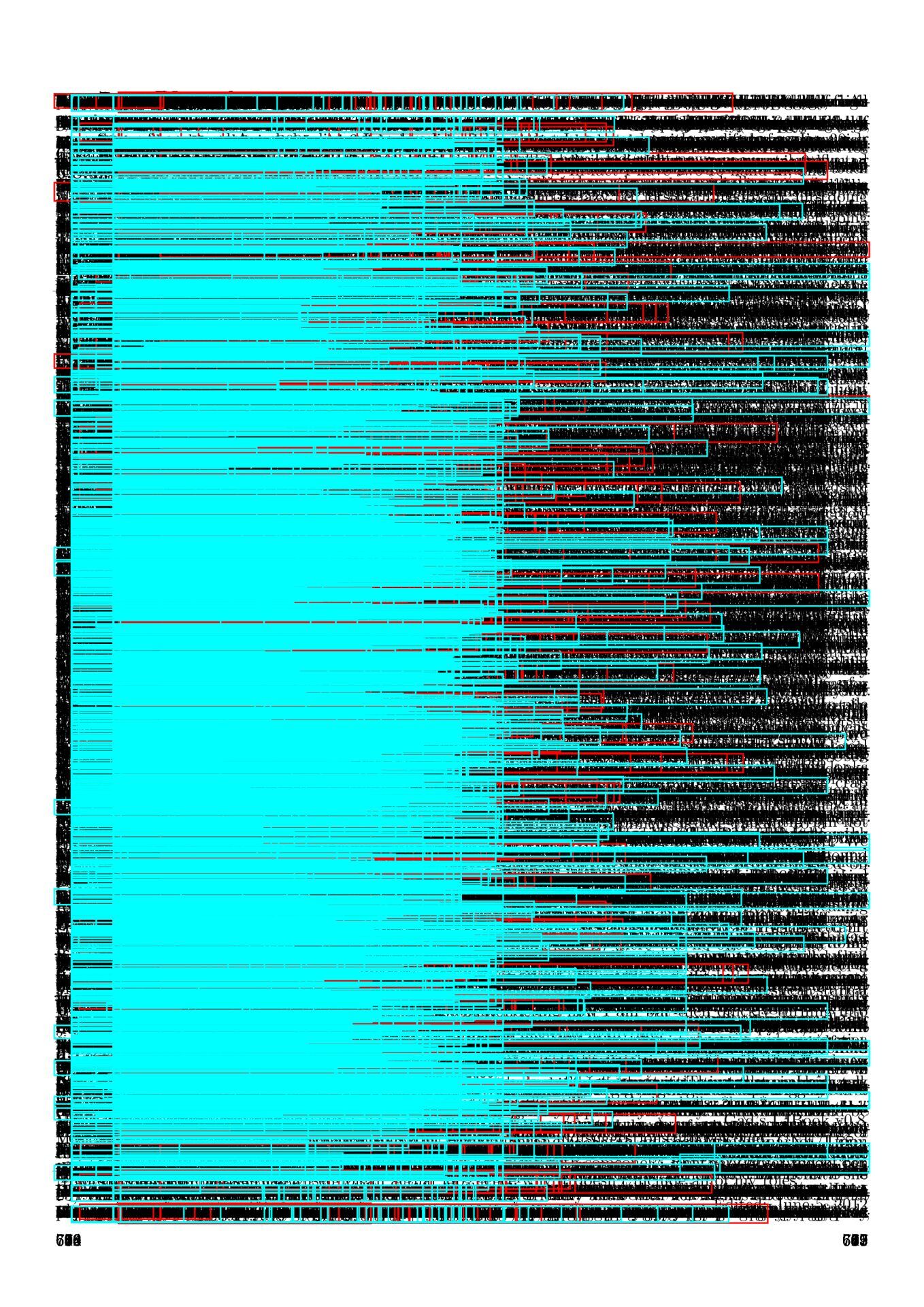
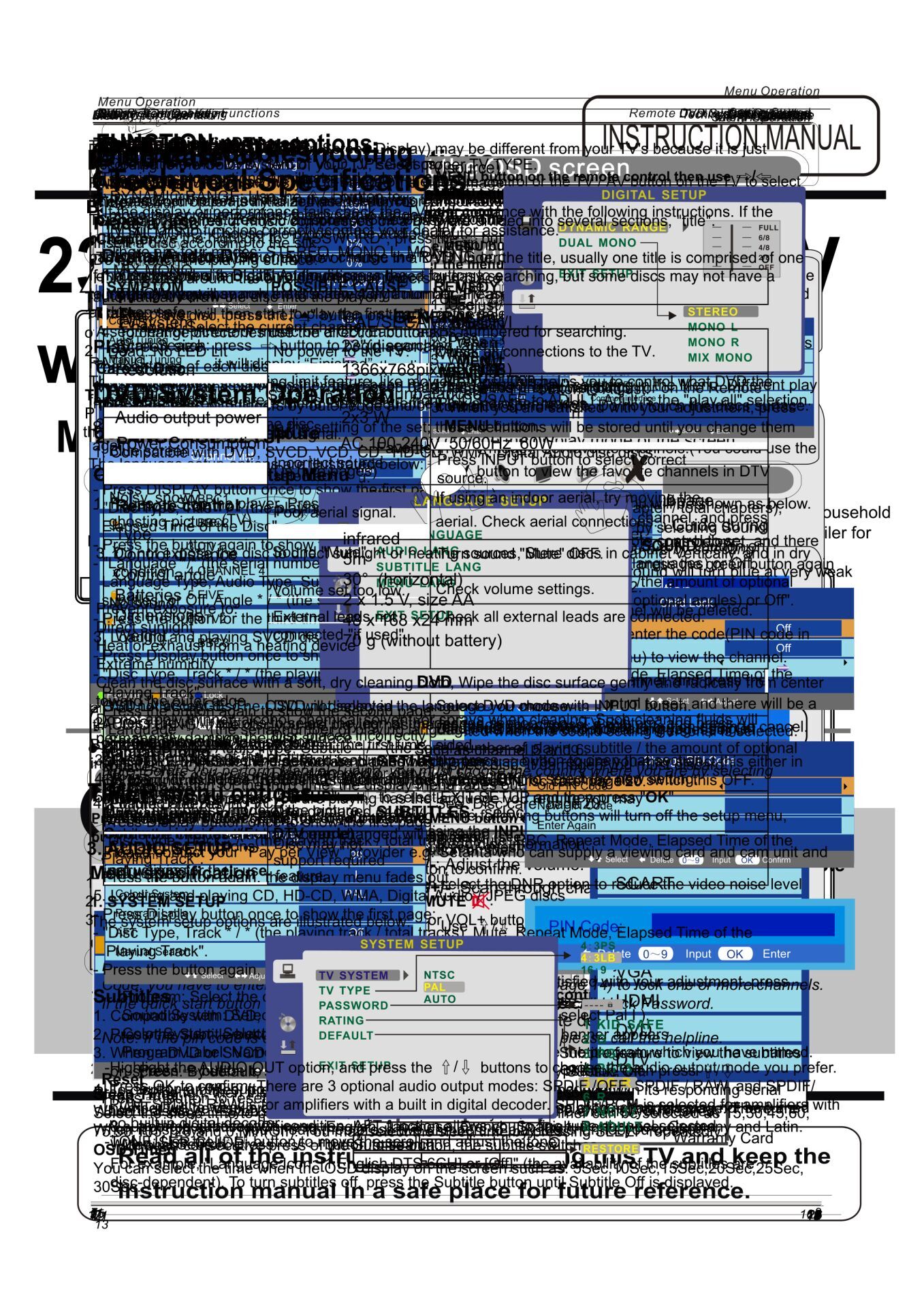
These proved to be quite popular and I plan on producing a more curated selection of them at some point. I’d like to have them printed quite large.

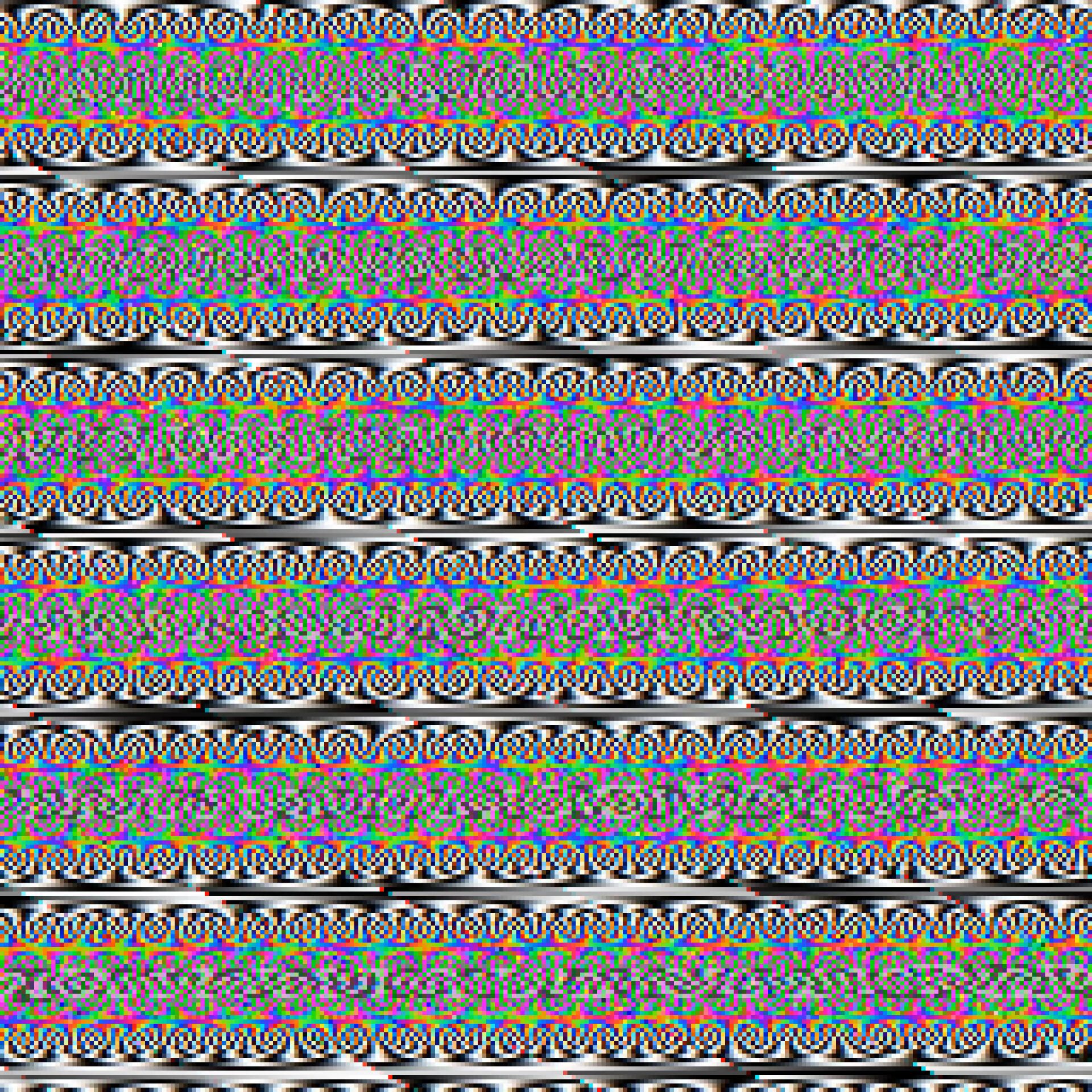
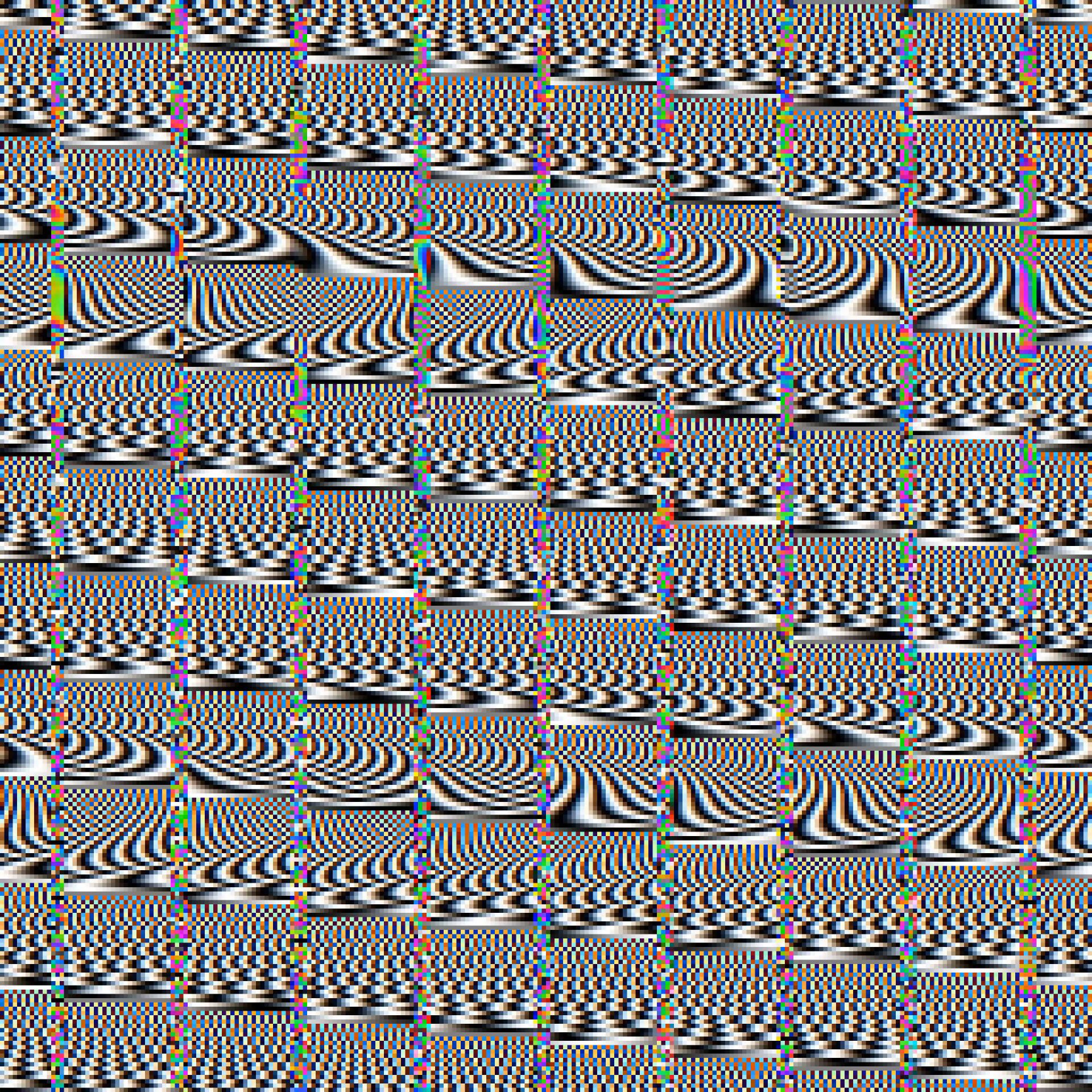
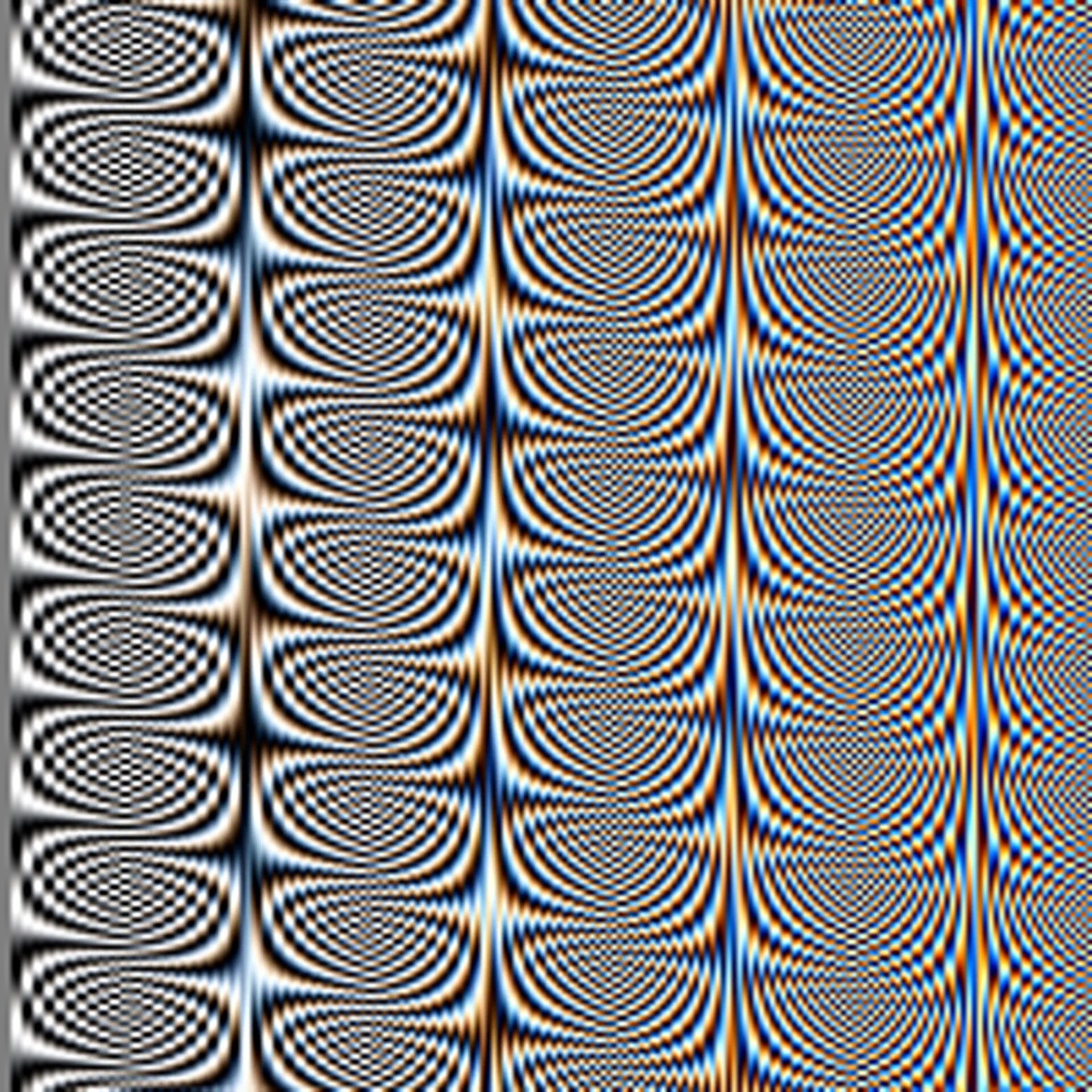
Creating JPGs in Pure data

This was something that I started in 2012 and first exhibited with Some of my Favourite Songs. I think the methodologies for creating these images have other applications and so for about a year I have been creating some new images.
hellocatfood EP

I’ve been a performing musician since 2018/2019 and I think it’s now finally time to make some proper recordings. It’s a daunting and time consuming process but something which I know I’ll only get better at the more I do it. I have a few songs already written. Some are new but most are ones which I’ve played a lot over the years. Here’s one of my favourite live recordings which will hopefully give a sense of what’s to come.

I am considering whether to pursue releasing this on a label. I’ve witnessed how going through a label can be beneficial but can also introduce lots of delays and complications. I’m open to discussion on this but I may just go independent for this first release.

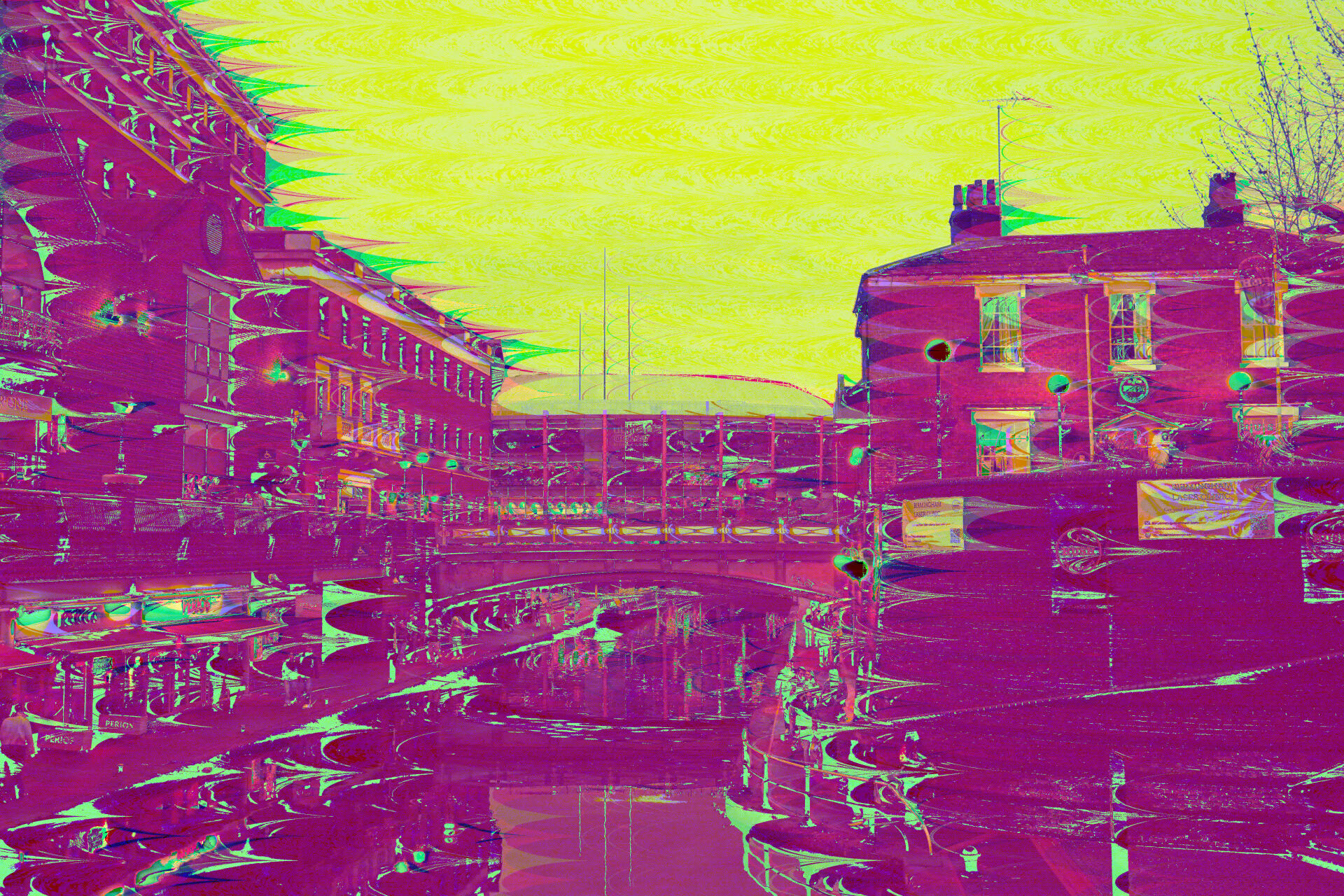
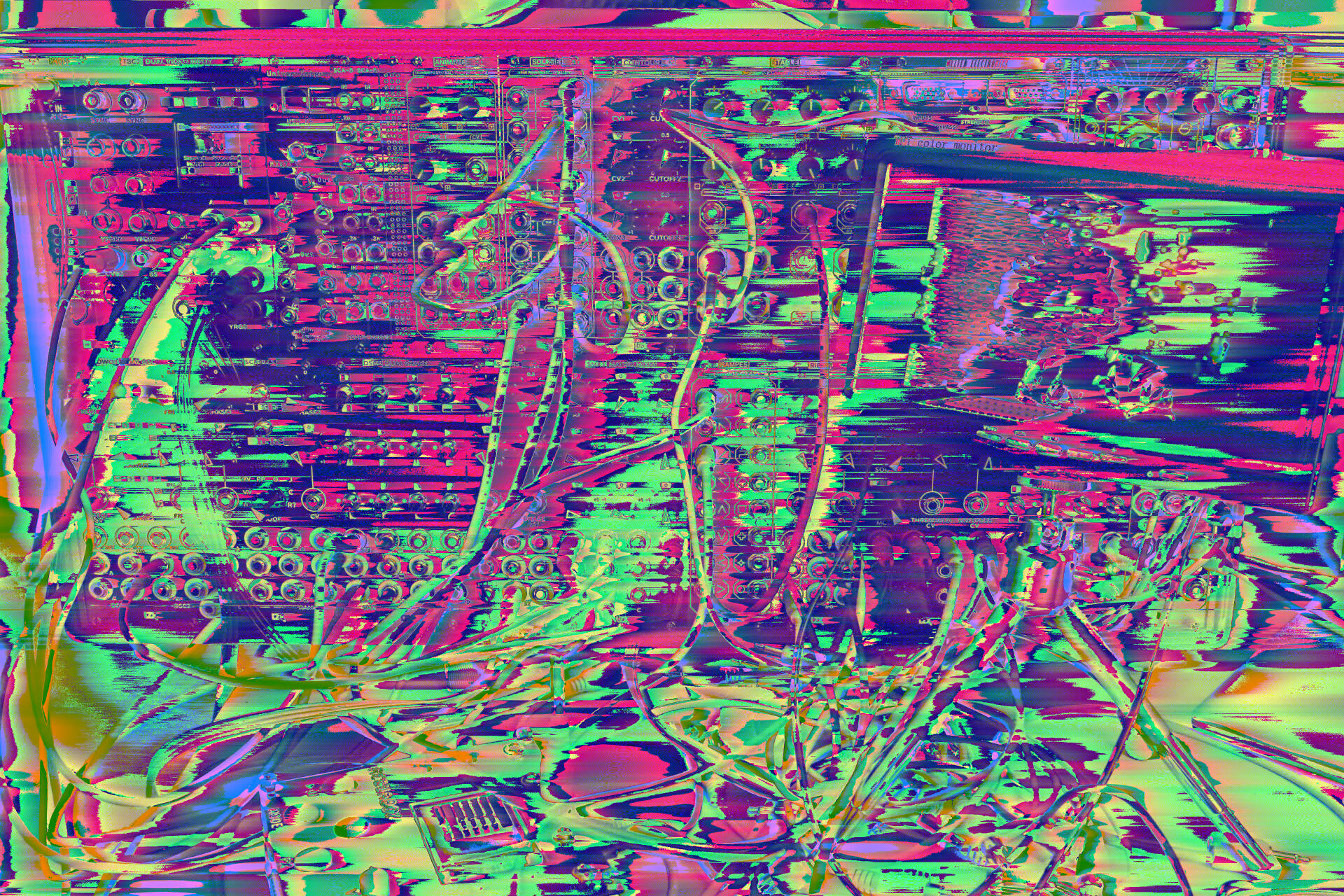
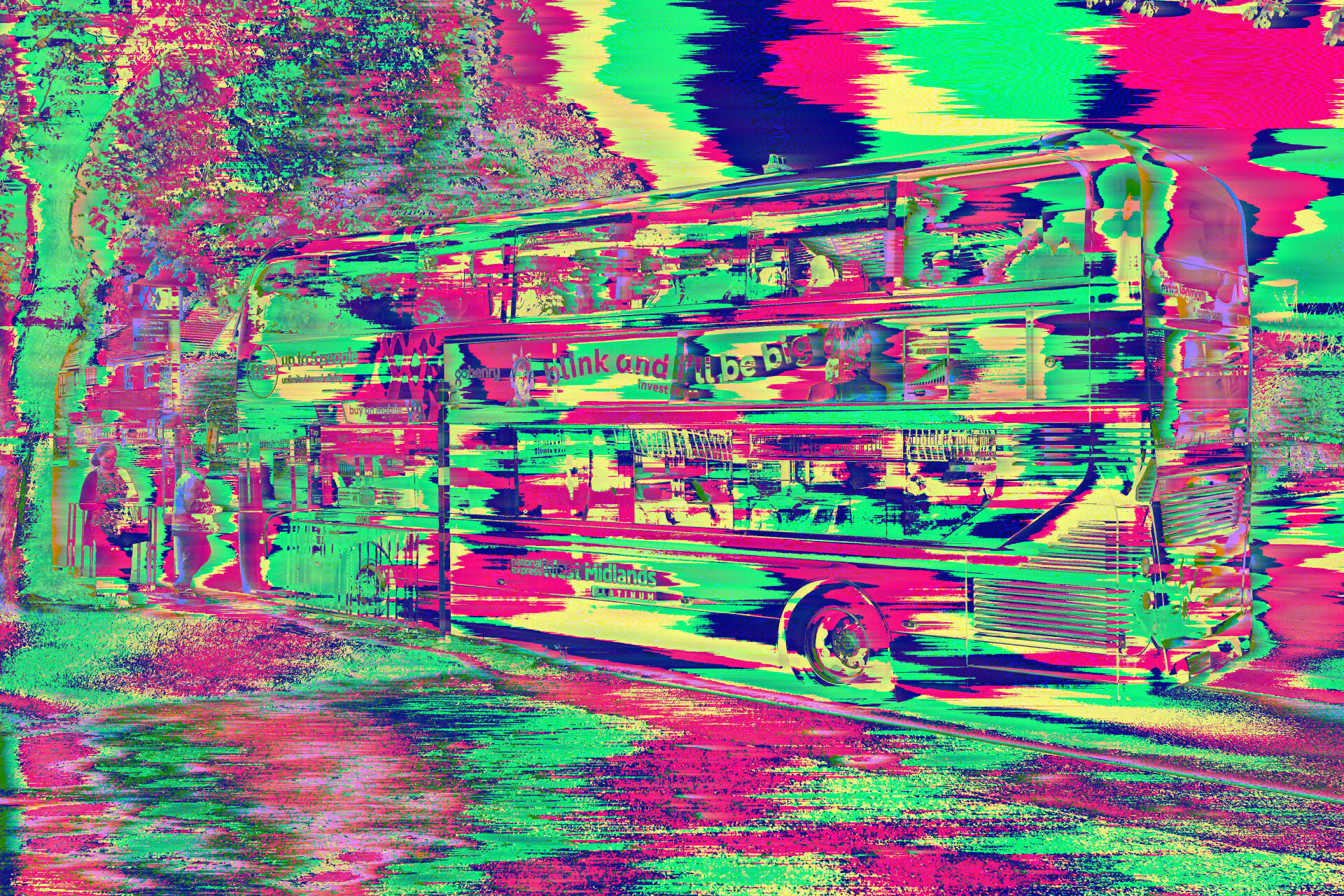
Databending

Databending is how my career started and so it feels fitting for me to revisit it to see what more can be done. I think the limit has perhaps been reached on what Audacity can do for databending, so I have been exploring other software with interesting results so far.
Pixelated patchwork

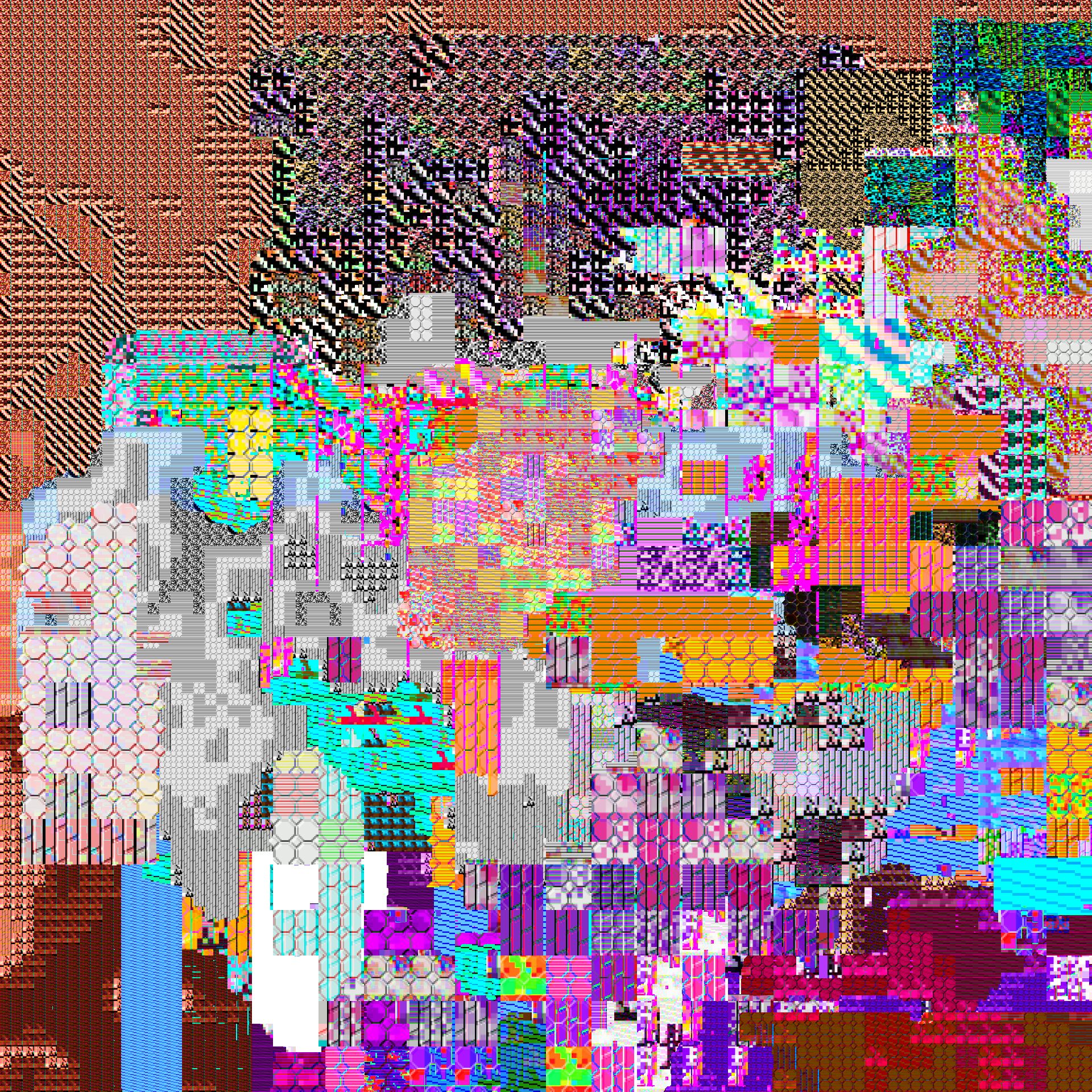
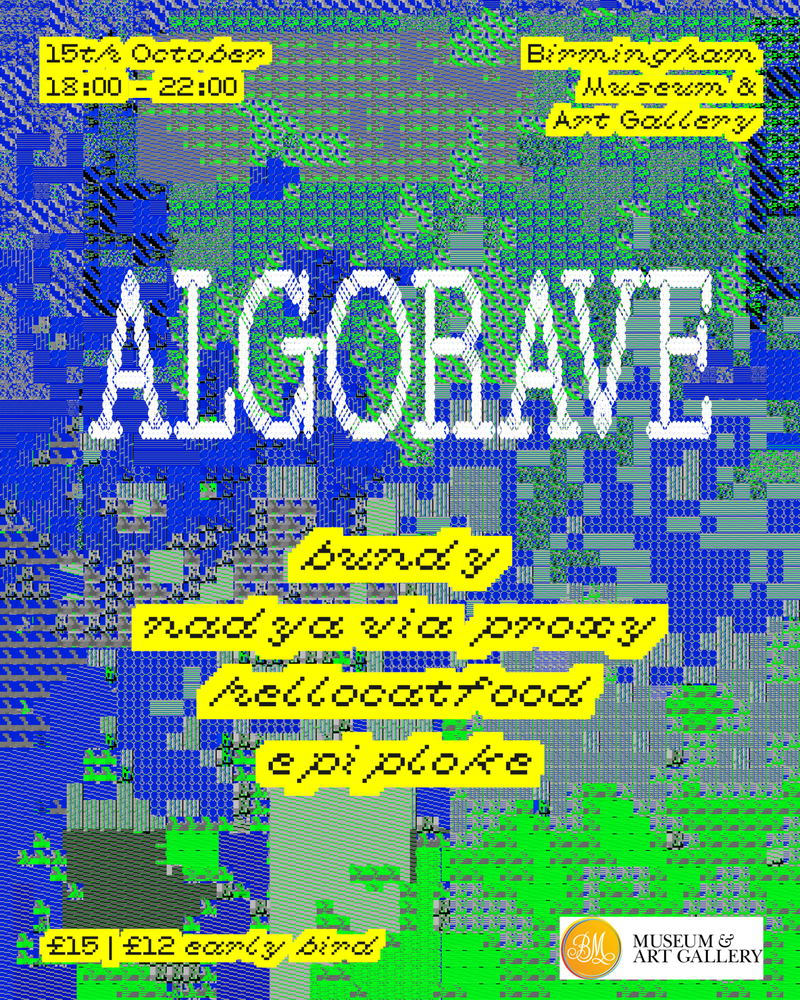
Perhaps I’m in an algorithmically curated rabbit hole, but I have noticed a resurgence of pixel art imagery over the years. In particular people making pixelated images using tiles from computer games. I used to do a bit of this in 2012, in particular with this image series. I never did much with it beyond a few posters, and even more recently with the Algorave BMAG poster.
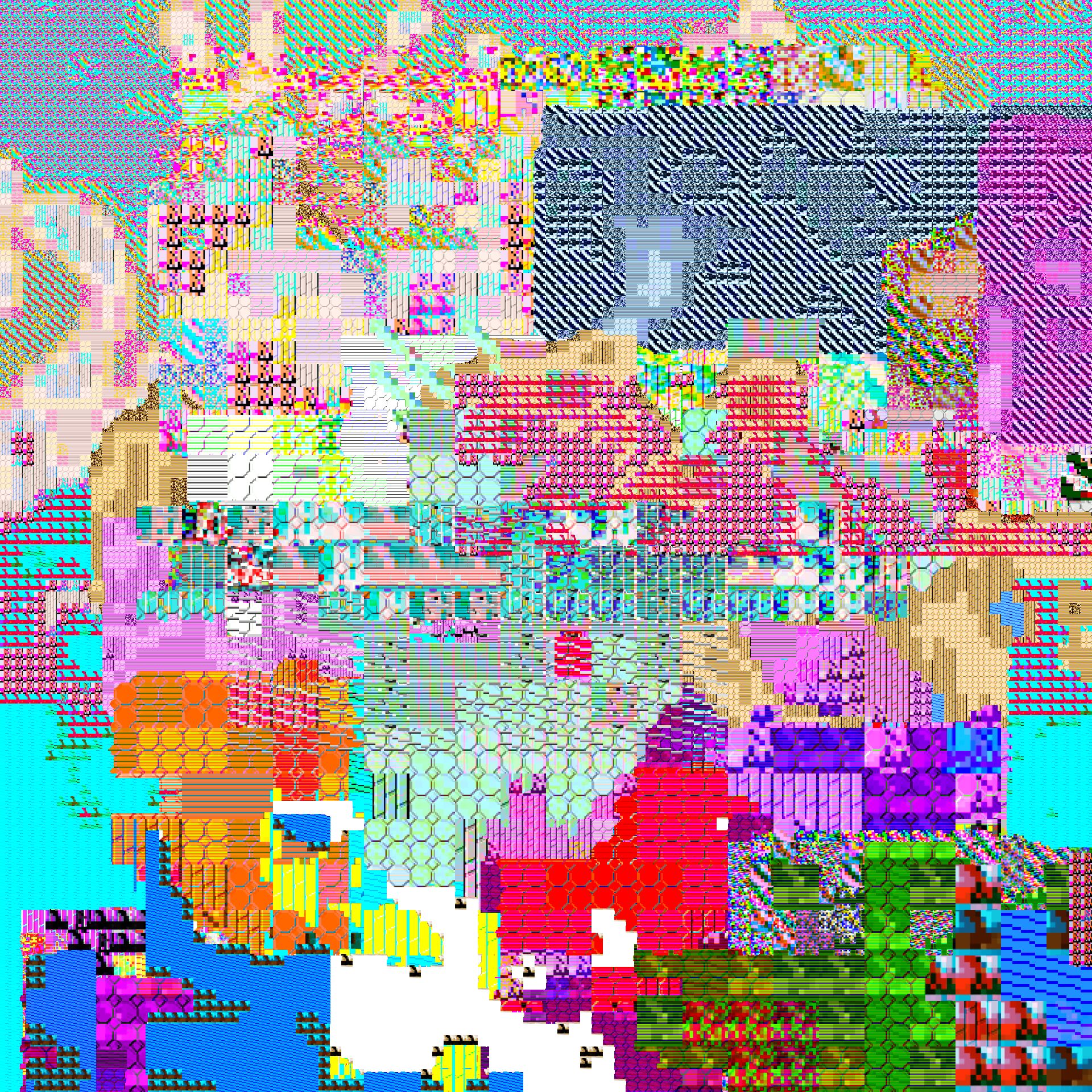
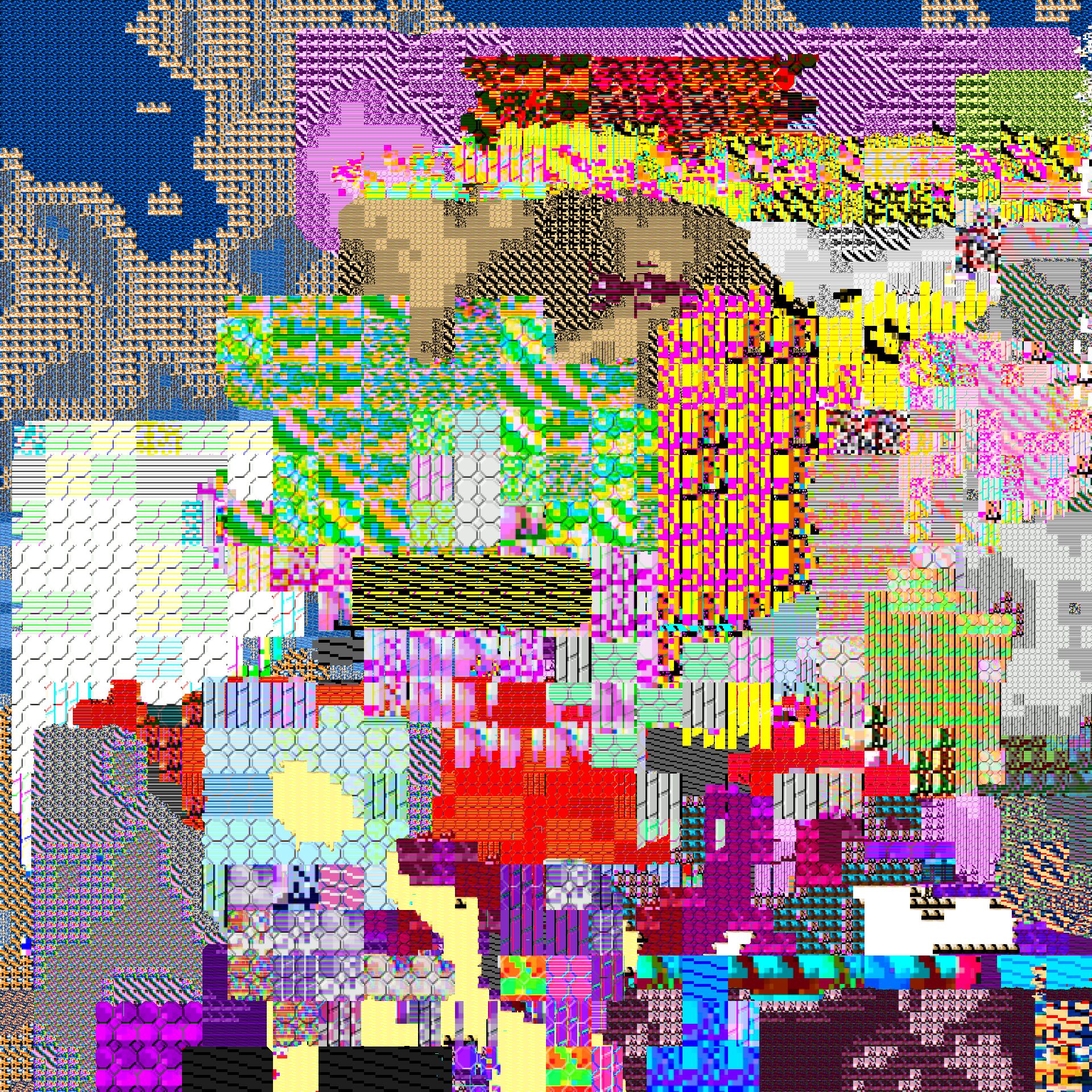
I have been combining this process with some patchwork-like techniques to create these images. They’re really fun and I would like to explore using these with textiles or other printing methods.

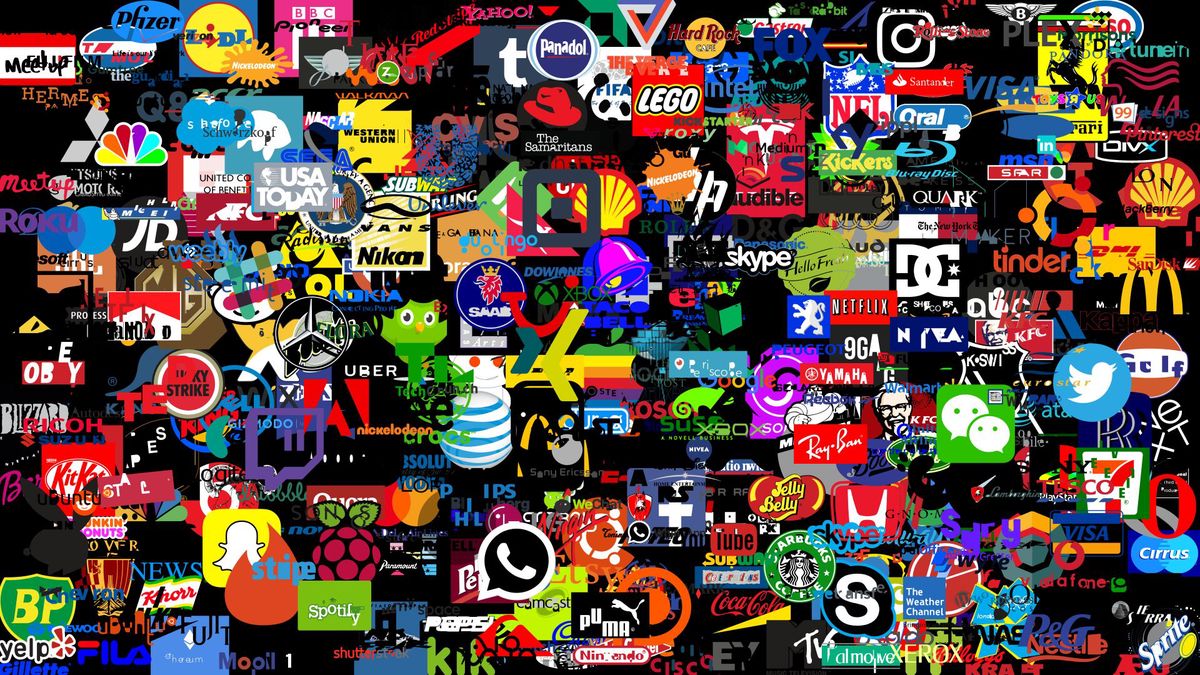
Although the Copyright Atrophy project is from 2013 I don’t consider it completely finished. I started making a video combining all of the logos in one display, with the idea to have an accompanying soundtrack that degraded over time. I displayed the silent video at Piksel in 2018 as one of their Pikselsavers and used a still from the video for an episode of Art of Now on BBC Radio 4 in 2019.
What happened to me?

I have been taking small steps to complete the soundtrack and then finally complete the project. I’m aiming to exhibit it somewhere in 2027.

badcirculation

badcirculation has been a collaborative project between myself and Maria since 2019. We don’t perform that often but it’s always so much fun when it does happen. We have finally recorded an EP but we’re just in the mixing and mastering stage. It’s taking a while but it will be done soon. Here’s a recording from 2025 to give you a taste of what’s to come.

Forward

It has been a challenging few years but I am in a much better place now. I am worried about the future for many reasons (climate collapse anyone?!) but I am in a much better place in terms of my health and creativity and so feel ready to take on these challenges.
It's not related to anything, I just like this photo
It’s not related to anything, I just like this photo

Thanks for reading!


QUOB 2026

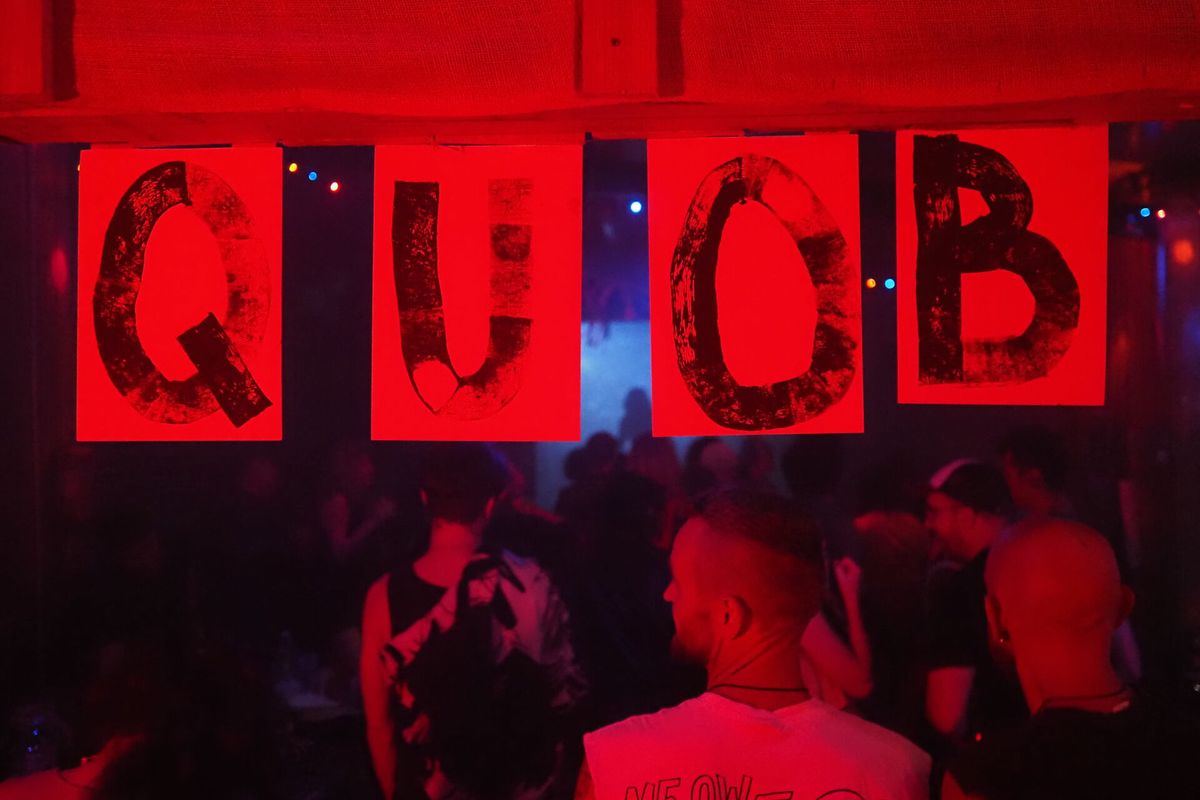
On 17th and 18th July I was in Lake District to perform at QUOB. It’s a relatively new festival, with the first edition only taking place in October 2025. It takes place in Fell Foot Woods in a barn/shed-type structure that can probably hold no more than 200 people.

QUOB 2026

In many ways it reminds me of a much smaller version of SUPERNORMAL Festival, in that I went there not knowing many of the artists but knew I was in for a well-curated series of weird and wonderful performances.

On the first night I was most looking forward to seeing Slikback. I’d played his music many times on my Mondo Radio and (Algo|Afro) Futures radio shows and so was really excited to see him perform. When he dropped Armada I joined the mosh pit! My back hated me the next morning but it was worth it.

On Saturday I did two performances. The first was my usual footwork-inspired tracks with a bit of chaos on top. I will get around to doing a proper release of these soon, I promise!

Following that I did an unannounced super-secret visuals performance for Slikback’s DJ set (omg!). For this I used my modular video synth. It was also the first outing of my newly acquired Glitch Boy module. Definitely more that I want to explore with that. For example, it has bluetooth support so I want to hand out a controller to the audience so that they can play a game as I glitch it.

A huge thanks to the organisers for inviting me to perform. It’s not often that I get to do live coding outside of the usual Algorave and Algorave-adjacent contexts. I get a bit nervous thinking about how unfamiliar audiences will react to something very different but thankfully many people seemed to enjoy it!

Of course I really loved everyone’s performances but particular highlights were from Slikback (obvs), Bathing Suits (who gave me a shout out aieeee!), A’Bear, Alex Izaak Milling, CURRENTMOODGIRL, Kelly Jayne Jones, Grasping at Reality, and Brawny. Go support them, and of course support the festival itselef!

QUOB 2026

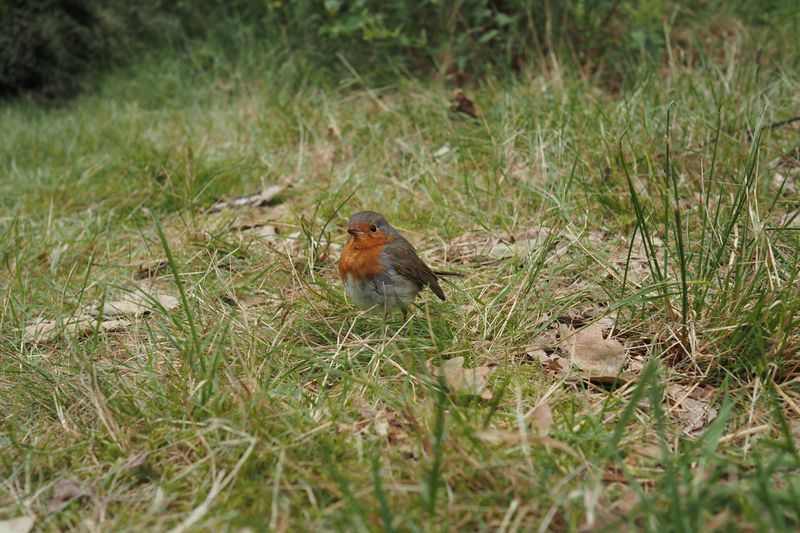
The very friendly robin that was nicknamed Quobin

What happened to my website?

I started writing this blog post in the Summer of 2024. At the time I was on a game development course where we had a workshop on building a successful portfolio website. Many of us held our heads in shame as we looked at our horrible, barren, and outdated websites.

Shortly after this wake-up call I published a “back soon” blog post and hoped that I’d find the motivation to finally give my website some attention. Of course “back soon” turned out to be nearly two years. I’m now here on June 3rd 2026 returning to this half-written blog post which explained my absence but this time with an actually presentable website. So, let’s return to the original provocation of this blog post: What happened to my website and what can you expect going forward?

The tl;dr answer is that Wordpress became unbearable to use, the other services I relied on became shit, and a secret third thing which I’ll talk about in a later blog post.

Wordpress, why are you like this?

Since the beginning of time (2008 I think) my website was built on Wordpress and focused on blogging. Prior to Wordpress I was a livejournal user and so the idea of blogging felt natural to me, which Wordpress excelled at. Eventually, though, I really needed a way to showcase artworks without asking viewers to have to scroll back through the feed to find specific artworks. Since around May 2014 I used the Touchfolio theme which mostly solved this. It gave me a way to put images and videos of a project on the front page and add a short description. It did most of what I wanted with a few quirks.

My website in 2015
My website in 2015

However, despite its popularity and mostly open source status, it was rarely updated and the bugs started to pile up. One issue was that Wordpress’s newly introduced custom widgets feature wasn’t supported. In general, Touchfolio seemed to implement its features in its own custom way and wasn’t being updated to do things in newly introduced “Wordpress” ways. So, any new features were a no go for me. For the most part that didn’t matter. I just needed to use Touchfolio’s in built gallery features and blog posts. As long as that worked I could mostly ignore its shortcomings.

Then, one day, the whole site broke. I can’t recall exactly what happened, but I think Wordpress dropped support for older versions of jQuery or some other software in the early 2020s. Bug reports on github suggest this happened around 2019 or 2020. There were various hacks and temporary workarounds but eventually, around April 2021 the solution was to drop the front page gallery, turning my website back into a blog.

What happened next is still a bit hazy to me. Either the Touchfolio theme became more incompatible with newer Wordpress versions and stopped working or I became sick of having an outdated theme. In any case around July 2023 the theme changed once again to one of Wordpress’s default themes.

What happened to my website?

Then, finally, some time in November 2024 I decided to replace my whole website with a one-pager that had some basic information, contact details, and links to places like instagram and youtube where you could find more up-to-date information. My website had gone from being useful repository of information and archive of my projects to being a functionally identical but expensive linktree that pointed people to other websites.

Fuck plugins, all my homies hate plugins

Alongside my theme breaking I was also battling with plugins. Plugins were one of the big features of Wordpress. I liked the idea that any problem you had could probably be addressed with a plugin. One of my favourite plugins was the Broken Link Checker. Link rot is definitely a real problem and so being able to identify broken links across my website and replace the link with a Archive.org link was great.

Over time I noticed the plugins becoming worse. To use a modern term they became enshittified. Plugins that were once independent were being acquired by larger plugin developers like WPMU Dev. Some started asking if they could track me, or prompting me to upgrade to a premium version. The most visible sign of the enshittification of plugins was when they turned my Wordpress dashboard into an advertising nightmare. So many requests to upgrade to premium that I never asked for.

My ad-filled wordpress dashboard

This screenshot was from June 2026 but it has definitely been this bad for a long time.

Plugins can of course just be disabled, but my issue was that I had long relied on a few for core functionality. For example, I used The Events Calendar and Events Calendar Shortcode plugins for my events page. It provided a really easy way to display events show more information. However, with each update brought the possibility of enshittification. I don’t remember if The Events Calendar did the ol’ bait and switch and put once core functionality behind a paywall, but tbh I stopped inputting events in the early 2020s and I didn’t want to stick around to find out.

Dependency hell

In the early 2000s/2010s APIs were the all the hype. The idea is that you would put all of your data, e.g. tweets, listening habits, reading lists, into a service and then you or anyone could utilise an API to interface with that service and potentially build services on top it. This is why, for a time, there were a number of alternative twitter clients, or widgets that would display your last.fm listens or recent Facebook updates.

Having all of these connected services was actually quite cool. btw do you also hear that foreboding music too? Anyway…

An external service I relied on heavily was Flickr. Very early on I was using Gallery 3, which is why some very early posts have these weird embed codes instead of images. It was functional but also a bit cumbersome whereas Flickr seemed to understand that artists and photographers wanted an easy way to view and share photos. For a very long time nearly any photo or short video was an embed from Flickr. It was so useful that I even bought a pro subscription.

By 2020 I was using Flickr less and less. This could have been due to using instagram more (I even toyed with having a separate artist account for a time), but also lockdowns had just started and so there were fewer opportunities for me to take photos to upload.

For a few years I begrudgingly kept paying for a pro subscription. By this point Touchfolio had stopped working so the albums for each artwork and project became my pseudo-portfolio. But over time I resented paying for a service that I was barely using. I only kept paying because some others relied on it (e.g. Algoravers used photos I had taken for press shots) and I had invested so much time and effort into it (sunk cost fallacy anyone?).

Once Flickr raised their subscription prices a few too many times I decided it was time to stop paying. My account reverted back to a basic one and I got warnings saying that photos that went beyond my free account quota would be deleted. The only concern I had about this was that if photos beyond a certain date or count were deleted many blog posts would have gaping holes where photos once were.

I honestly now regret relying on these external services so heavily.

And it’s not just Flickr. I have similar feelings about Vimeo. For a few years I had a pro account. Once I stopped paying I was assured that uploads that went beyond my free account quota would still be accessible but I just couldn’t upload any more. Then, in May 2026 they reversed this and there are probably now videos which are inaccessible.

What happened to my website?

Back to basics

All of this showed me that using Wordpress with other services for embedding media/content wasn’t working. It used to work but the internet changed, and my needs changed. So I began the long task of finding an alternative.

So many artists and graphic designer friends and peers have really nice websites built on top of Squarespace, Wix, or some other portfolio service. I briefly considered this as it would make my life so much easier but I would essentially be trading one walled garden for another. Whatever framework, CMS, or service I did adopt would have to do a few things:

Portfolio and project pages

Honestly, I liked the Touchfolio full-page showcase (I think this is called hero images). It would have been great if those linked to project pages where I could show more information.

RSS feed

RSS does one thing and it does it well: It lets people subscribe to and read my blog. Sure, it’s not new and fancy, but it works.

Import existing blog posts

This is one of the most important requirements. My blog has posts going back nearly 20 years. In many ways I see my website as a resource for other people. It is a showcase for my work but it is also where I share progress updates, code, and tutorials, the most well known of these being my Databending in Audacity tutorial.

The earliest snapshot of the Databending in Audacity tutorial

It was posted in 2009 and in the years since it has been referenced, linked to and replicated so many times. Sure, it doesn’t show at the top of search results anymore, but I feel that this is an important part of glitch art’s history and so I want to try and preserve it as much as possible.

Then there’s my other tutorials such as Seamlessly loop Wave Modifier in Blender, Datamoshing using Avidemux 2.7.0, and (mis)Using FFmpeg’s Motion Interpolation Options. These posts provide specialist information to a small group of people but I still want to preserve it and have it be of service to others who have the same unique needs that I do/did.

If the service or framework that I adopted couldn’t import blog posts then it would have been a no from me.

So, in reality if my new website could be like Wordpress + Touchfolio in 2014 then I would be happy.

A new challenger approaches

I had heard of static website builders for a while. Conceptually they are like like a modern day equivalent of Dreamweaver or Front Page Express in that you do all of the building and editing locally and then upload it to a server. One difference is that you keep the content and theme/styling separate: you write your content in markdown files and it takes that content and builds the website for you. No server-side dynamic page building at all!

When I started (Algo|Afro) Futures in 2021 I needed a very basic site for it and so chose the Hugo static site builder. I don’t know if there was any big-brained process behind this decision but I liked how it worked. Most importantly it was lightweight and fast. I could do an update and be confident that there would be no plugin or backend updates that would break the site. I could set it and forget it. This positive experience convinced me to use Hugo for my redesign.

(Algo|Afro) Futures website in 2025

Migrating was a gargantuan task, and one that is still ongoing. As mentioned earlier, I had two decades of blog posts to migrate, and then there was embedded content from Flickr that was going to disappear so I needed to account for that too. Fortunately for me there are a few plugins and services for migrating. I think I used this WordPress to Hugo Exporter which had the added feature of including any embedded media in its export. This meant all external Flickr photos were included! I would still have to do manual work to get attachments working and redirect some links, but this saved me a lot of work.

I had this exported archive sitting in various location on my computer for maybe two years before I got the motivation to do the migrating.

Relaunch

2025 -2026 saw the website rebuilding process pick up pace and now it’s in a fairly usable state. I think I officially uploaded the new site on 5th July. The most remarkable thing about it is that, well, it’s unremarkable! It doesn’t do anything other than display my art, events, projects, and blog. On the viewer-facing side the most “fancy” thing is does is have an image carousel on the front page. On the user-facing side (that’s me) I’m just happy I have a reliable way to host and update my art. Of course there’s always a chance that Hugo could become unmaintained, but having everything in plain text files that can easily be parsed (thanks yaml!) means that it’s easy to migrate should I need to do it again.

The future

Now that my website is back, what now?

I’ll be gradually adding old projects, fixing links and embedded content, and making sure that my archive is up-to-date. For example, you may have seen that I have events listings going back to my graduate show 2007! Many of those listings still have their original event urls. 99% of people won’t look at anything older than two years, but for me it’s important to have a record of everything that I’ve done. As a solo freelance artist I find all too easy to fall into pits of despair, particularly after waves of rejections or comparing myself to people on Instagram. Seeing my events listings and old projects helps to remind me that, even in periods of down time, I have accomplished things and I hopefully will again in the future.

I can also see myself getting back into blogging again. In fact, I already have been posting a few things since relaunching. I prefer blogging over (or in addition to) posting social media as there’s a sense of permanence. For example, Sometimes I like to write essay-length posts on Mastodon, and on occasion a late-night sketch gets lots of attention on Instagram.

I’m glad that there’s an audience for these posts but after a day or two they get lost in the feed. I would spend hours agonising over how to distil an idea into Instagram’s rigid formats or Mastodon’s content limits (word count, images or videos, not both), find an optimal time to post, pick my best/most optimised content only for the post to get little attention and then promptly get lost in the feed.

Sinking so much time into posting on social media feels like lost time. But, I recognise that it is necessary for artists and musicians to have a presence on these platforms. So, I will continue to post on social media, but for when I really want to do a “deep dive” into a topic or have something more permanent that I can point people to I will post/cross-post onto my blog.

Overall, I’m just happy to once again have a place for my art and writing that I can call my own.


Errorcamp 2026

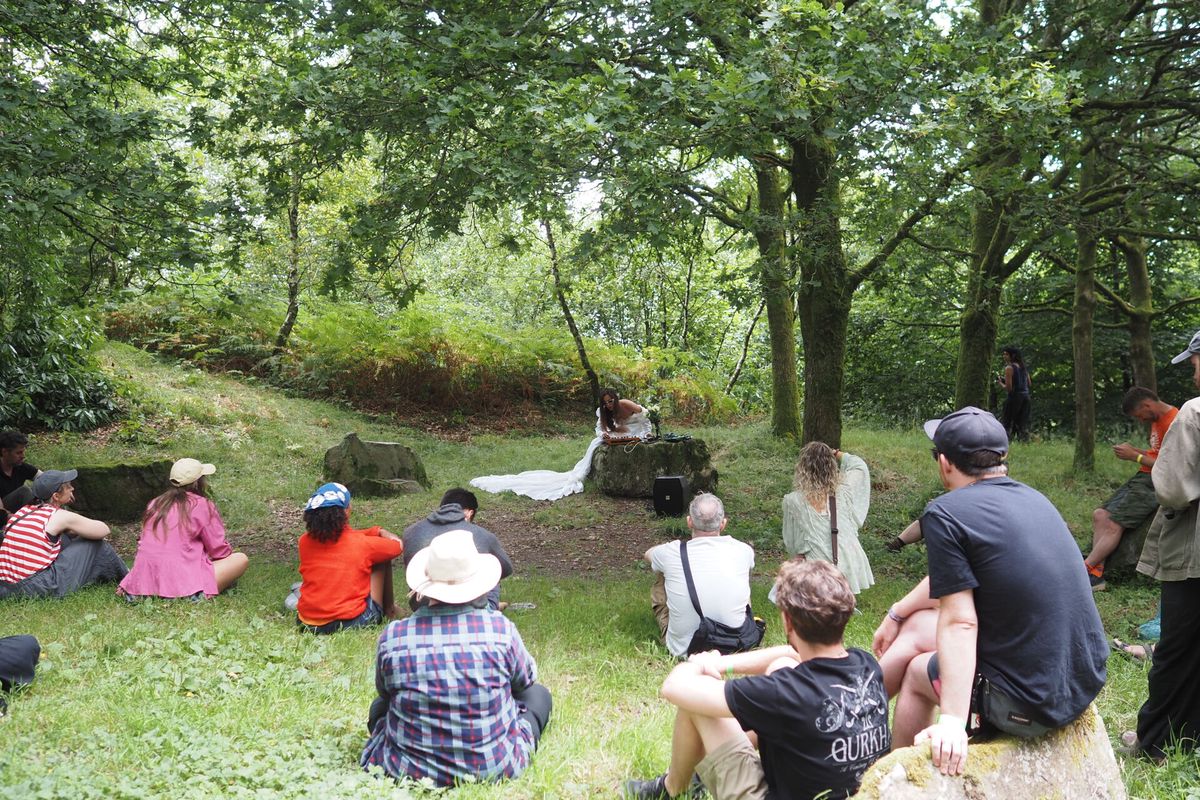
From 23rd - 26th July I was somewhere in rural Exeter for Errorcamp, which is a semi-annual gathering of live coders. It’s not really an official event, festival, or conference, so the best way to learn more about it is to become part of a local live coding community.

I had gone to previous Errorcamps and one thing I really valued about it was having the opportunity to spend time with live coders in an informal environment. My understanding is that it was started as a way to reconnect after being locked away indoors for much of 2020-2021. As a global community of live coders we had been regularly organising week-long live streams and attending conferences like ICLC, and I think we were missing having that semi-occasional meeting of international live coders. This story might not be accurate, but it’s how I think of it. In any case, one thing I like about Errorcamp is being able to be in a space with people you may only know by a username or code contributions.

Errorcamp 2026

There was a loose agenda and activities list which was largely decided by the attendees themselves. Anyone could propose an activity whether that be a workshop on knitting (everyone loved this), deep listening, building robots, or just a walk up a hill. Unlike previous Errorcamps this year I purposefully set out to do less. There’s always an interesting workshop, or a demonstration of a synth, or a live coding jam happening, and it can sometimes be overstimulating. If I were to try to do everything it would lead to, as it has done in the past, a bit of burnout and not really fully engaging in anything (is this fomo?). So, this year I did less.

I had a lot of fun choreographing robots with Joana and Alex, learning about making heavy metal in Strudel with Boggo, and learning more about TouchDesigner from Chau. Aside from that here’s a few of my outputs from the weekend:

Algo Grime

At some point I got speaking to Nkosi Khumalo. He mentioned how he’s been trying to create grime music using live coding. Here’s what he had accomplished already:

I am by no means well versed in grime, let alone algorithmic grime, but I have dabbled a bit in this via the remix badcirculation did of Gaika’s song Forward. My own songs which explore footwork and house also brought a bit of knowledge too. Nkosi mentioned that he was inspired by or wanted to reference Don’t Waste my time by Krept & Konan, and so with that a few hours later here’s what I created:

This was a very fun challenge figuring out which aspects of grime to replicate e.g. the triangles, wub wub bass, and the quite sparse 808s. I can definitely see myself adopting this more in the future. I’m looking forward to hearing Nkosi’s lyrics on top of it.

Silent Running

On the final night we all had an interesting option of doing a live score to the 1972 film Silent Running. The idea was that during the many sections without dialogue we could separately or collaboratively do a score for it. I’d never heard of the film before but Sheffield’s own 65daysofstatic had done a new score for it in 2011 for Glasgow Film Festival.

I asked to score the opening title sequence and the section following it, with each being about three minutes. I wanted something slightly sombre sounding to match the dystopian tone of the film. I was also imagining something minimal like the opening of Idaho by Open Mike Eagle. For chords I basically opened this chord voicings list and picked chords until I was happy.

I really really really love cello and upright bass sounds. There’s something about the dry, deep, gravelly sound that I enjoy, so I was happy to see Strudel already has some synthesisers (gm_cello:1 and gm_acoustic_bass:2) for this.

Finally, I added in some weird synthy noises from a Korg Monotron Delay. Here’s a recreation of the opening credits with the code overlaid.

If the complete rescoring of the film from Errorcamp is uploaded anywhere I’ll edit this post with a link to it.

For my second section I reused the first part of my contribution to the Behind the Screens series. It didn’t fit too well but it was interesting to give a new context to an earlier work.

Dude chilling

Aside from that I really just had a great time chillin’ out maxin’, relaxin all cool and learning about what everyone else is up to. Here’s some photos:

Errorcamp 2026

Errorcamp 2026

Errorcamp 2026

Errorcamp 2026

Errorcamp 2026

Errorcamp 2026

Errorcamp 2026

Thanks to the organisers and hosts for such a great weekend!